Adding Gentle Stimulation to Make Boring Tasks Easier
Published on August 18, 2026
Minimum Viable Action (MVA)
Add a gentle sensory layer directly onto boring tasks to give your nervous system the stimulation it needs.
Why Boring Tasks Feel So Painful
Do you struggle to start routine tasks? Sorting mail or washing dishes can feel almost impossible.
This is not a character flaw. It is not a lack of willpower.
Your brain simply processes reward signals differently. ADHD brains often have lower baseline levels of dopamine.
Dopamine helps us start tasks and stay engaged. When a task lacks instant interest, the brain resists it.
This creates executive paralysis. The task is not the problem.
The mismatch between your environment and your brain's needs is the true problem. You can adjust your environment to help your brain get started.
The Traps of Forced Focus and Quick Fixes
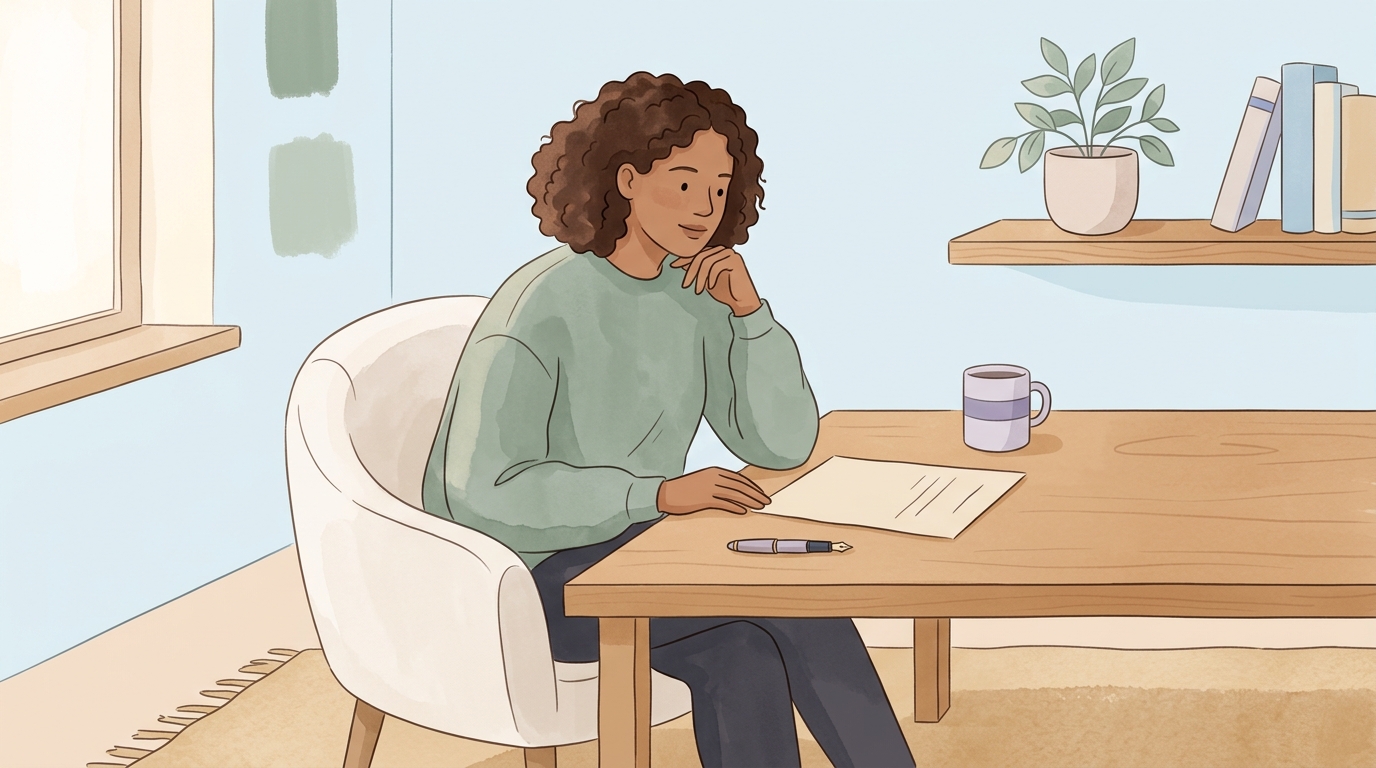
Many adults try to force focus through total quiet. They sit in empty rooms and remove all noise.
For an under-stimulated brain, quiet can feel painful. It leaves the nervous system searching for input.
When focus fails, we often look for fast relief. We grab our phones and start scrolling.
This is a distraction trap. It offers quick stimulation, but leaves us feeling drained and upset.
The issue is not laziness. Your brain is simply hunting for necessary stimulation.
Trying to force focus without support creates extra friction. Instead, we can give the brain safe sources of energy.
What Are Dopamine 'Sides'?
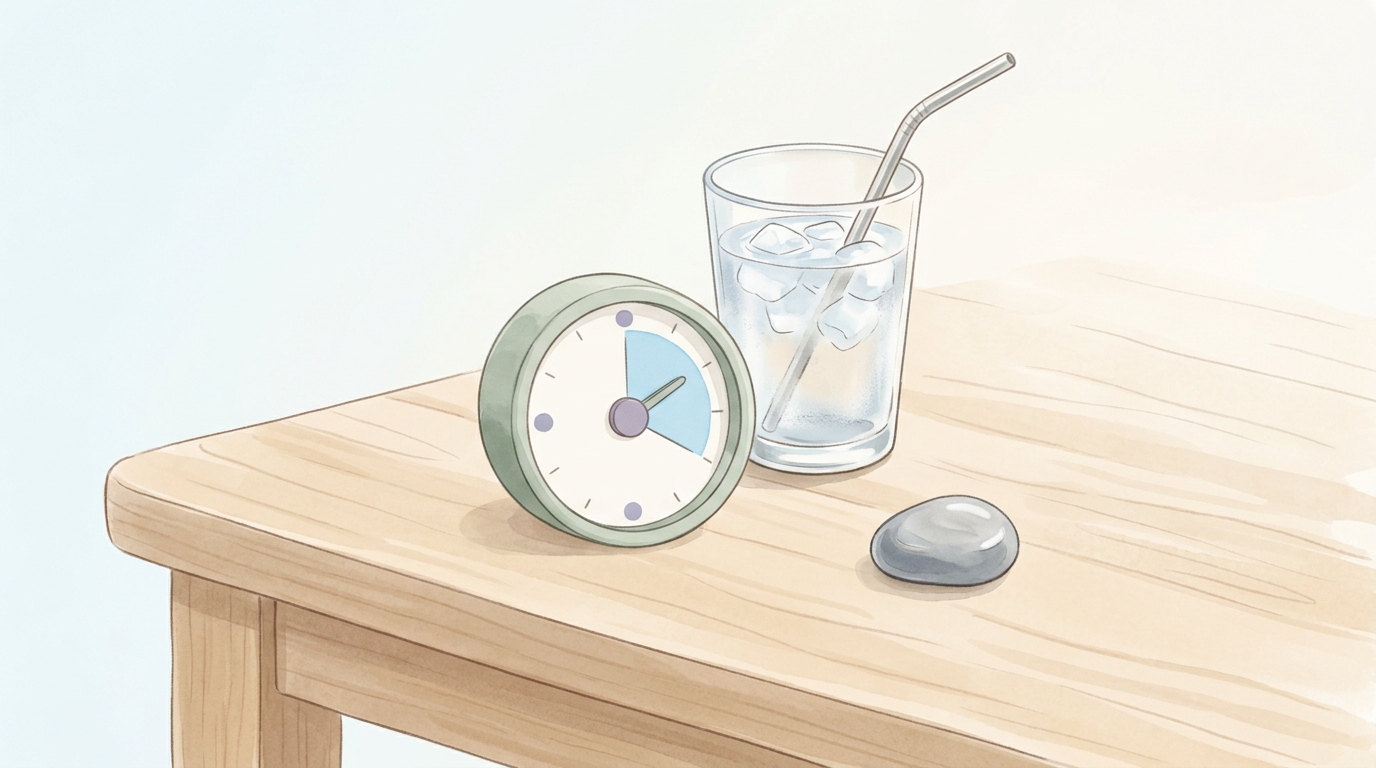
A Dopamine Menu helps you manage your mental energy. One key part of this menu is called Sides.
A Side is a small layer of extra stimulation. You add it directly onto a boring task.
It does not distract you from your main goal. Instead, it gently feeds your nervous system while you work.
Auditory Sides include lo-fi music, rain sounds, or familiar podcasts. These keep your quiet mind busy.
Tactile Sides include fidget tools, stepping on a textured mat, or chewing gum.
Visual and social Sides use visual timers or body doubling. Working quietly near another person can help you stay grounded.
Simple Ways to Layer 'Sides' Into Your Day
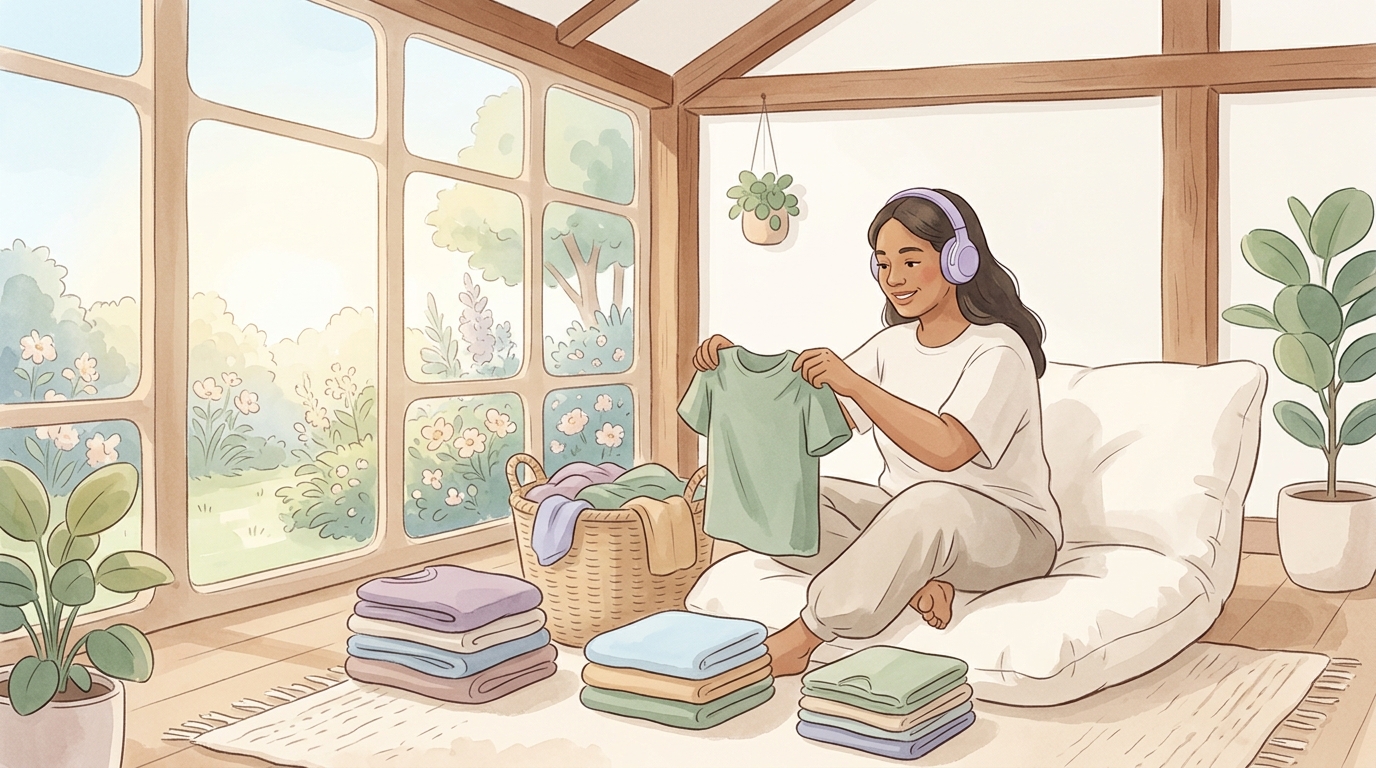
You can combine Sides with small steps to make starting easier. We call this taking a Minimum Viable Action.
Do not try to clean the whole kitchen. Instead, fold three shirts while listening to an audiobook chapter.
Prepare your ingredients ahead of time. Create a music playlist when you feel energetic and calm.
Keep fidget tools near your desk. Keep your visual timer in plain sight.
Add small barriers to high-risk distractions. Move your phone to another room while you work.
If you catch yourself doomscrolling, pause gently. Close the app without judging yourself, and turn on a supportive Side.
Working With Your Brain, Not Against It
Focusing on low-dopamine tasks is not about brute force. It is about building a supportive environment.
By adding gentle Sides, you give your brain what it needs to move forward.
Be kind to yourself as you try new tools. Notice what sensory layers feel good to you.
Small adjustments lead to big changes over time. Your brain deserves support, not pressure.
Build a productivity system around your real capacity
If these strategies resonated with you, our comprehensive guide will give you a full toolkit to start, focus, reset, and recover on low-capacity days.