Beyond Doomscrolling: How to Build a Dopamine Menu for Low-Energy Days
Published on July 29, 2026
Minimum Viable Action (MVA)
Set up pre-decided choices when you are calm so you can easily reset when your energy drops.
When Your Brain Hits a Wall
It is 4:00 PM. You just finished a long work session. You feel completely drained.
You want to take a break. You stand in front of the open fridge. Nothing looks easy to make.
So, you grab your phone. You start scrolling. Forty-five minutes pass. Now you feel more tired and guilty.
This is not a failure of willpower. Your brain is simply running low on energy.
When you are exhausted, making decisions feels impossible. Your internal generator goes offline.
Scrolling is easy because it takes zero effort. Your brain is just looking for a low-friction reset.
You do not need more discipline. You just need a better system that supports your brain.
The Science of Low-Energy Traps
Dopamine is not just about feeling happy. It drives your motivation and focus.
When dopamine levels drop, your brain feels heavy. Tasks feel much harder to start.
Your brain wants quick relief. It seeks out fast hits of dopamine.
Scrolling social media offers quick novelty with zero physical effort.
Scientists call this wanting without liking. Your brain craves the feed, but the content does not feel satisfying.
Each quick scroll drains your baseline energy even more. You end up feeling stuck and exhausted.
This loop happens because your setup requires too much decision effort during a crash.
By matching your environment to your brain state, you can break this cycle smoothly.
Building Your Modular Dopamine Menu
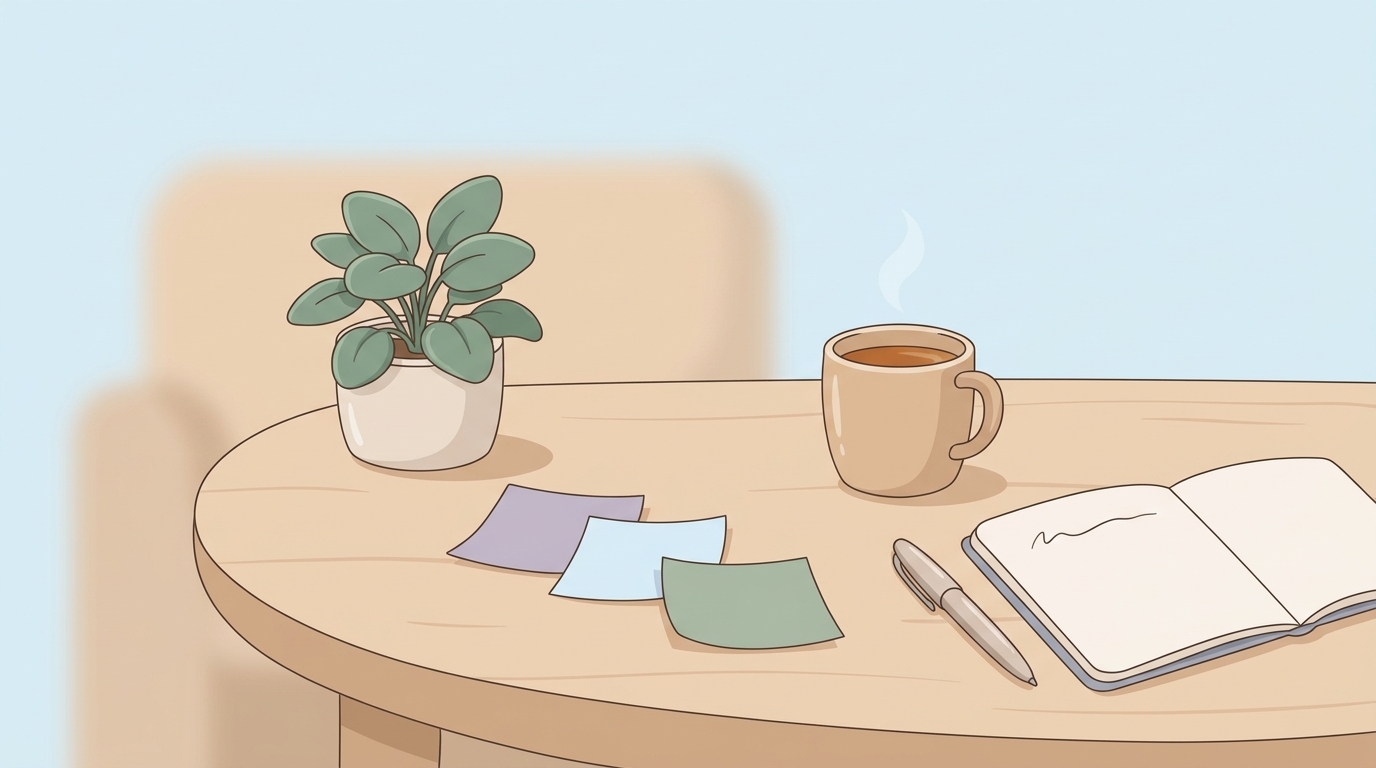
A dopamine menu gives you pre-selected choices for rest. It removes the need to think when tired.
You can organize your menu into clear, supportive categories:
- Grab-and-Go Fuel: Protein shakes, cheese sticks, or pre-cut fruit for fast physical energy.
- Micro-Resets: Quick five-minute hits like stepping into sunlight or drinking cold water.
- Sensory Parallel Play: Low-stakes activities like listening to an audiobook while doing a simple puzzle.
- Restorative Renewal: Deeper rest choices like taking a warm bath or reading fiction.
- Pure Autonomy: Permission-based fun like playing a video game or lying on the floor without guilt.
- Effort-Linked Mastery: Engaging tasks for high-energy days that build long-term satisfaction.
How to Put Your Menu into Action
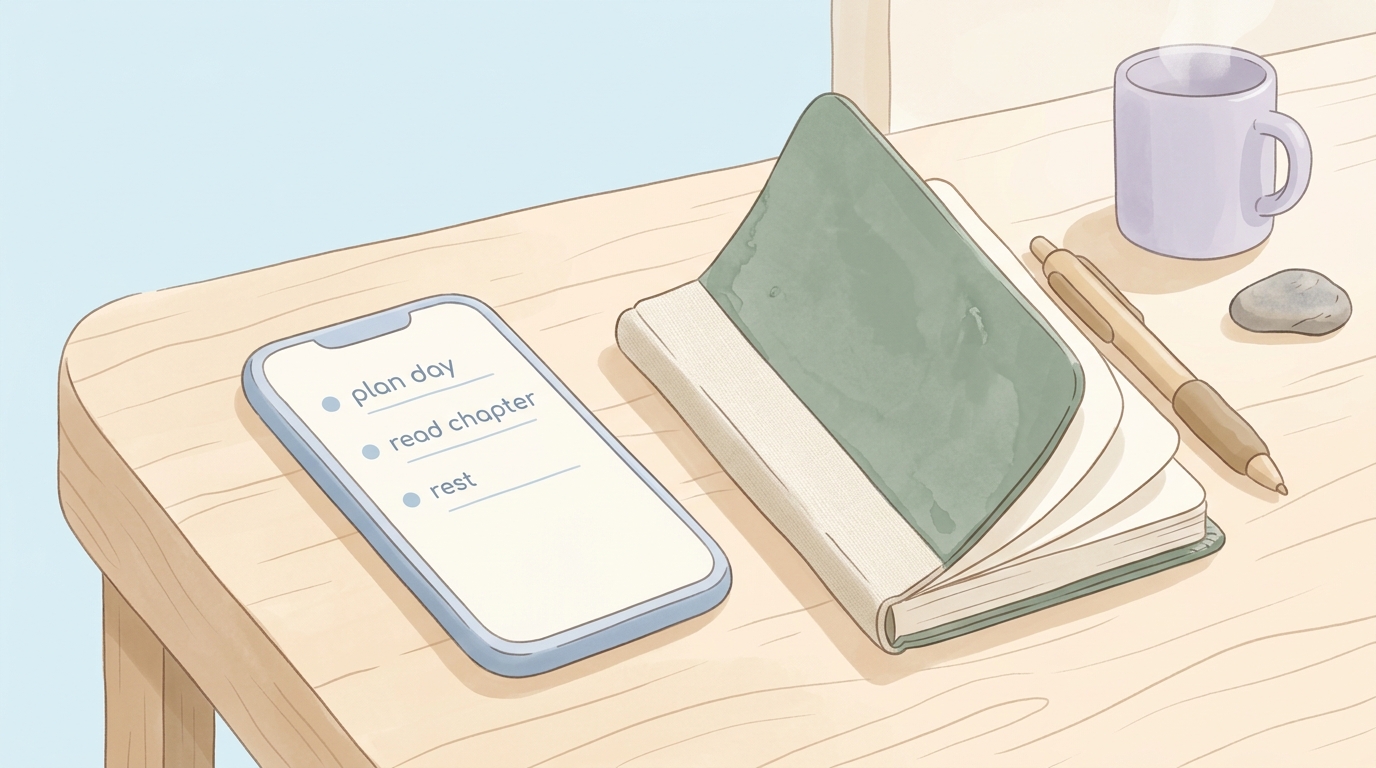
Your menu must be easy to see when you are low on energy.
Create your menu when you feel calm and clear. Never try to build it during a crash.
Place your list in direct line of sight. Put it on your phone lock screen or desktop wallpaper.
You can also print it and tape it to your refrigerator or desk.
When energy drops, do not negotiate with yourself. Pick the very first easy item your eyes land on.
If starting feels hard, try body doubling. Resetting alongside a partner reduces activation friction.
Treat your menu as a living guide. Swap out items whenever they lose novelty or interest.
Honor Your Energy and Keep Moving Forward
Hitting a low-energy wall is a natural human experience. It is not a flaw in your character.
When your brain runs out of gas, forcing yourself to focus will not work.
Instead, change your environment to make gentle choices easy.
A thoughtful dopamine menu protects your energy and guides you through tough afternoons.
Decide your options ahead of time. Place them where you can easily see them.
Give yourself permission to rest without shame. Your brain will thank you.
Build a productivity system around your real capacity
If these strategies resonated with you, our comprehensive guide will give you a full toolkit to start, focus, reset, and recover on low-capacity days.