Choice Paralysis vs. Task Paralysis: How to Unstick Your Brain
Published on August 01, 2026
Minimum Viable Action (MVA)
When you freeze, soothe your nervous system first and shrink your next step to a single tiny movement.
Understanding the Freeze: Why Your Brain Gets Stuck
Have you ever sat on the couch for hours, intending to leave? Or stared at an empty email draft without typing a word?
This state is often called brain freeze or executive paralysis. It is not laziness or a lack of willpower.
Your brain is experiencing a system overload. When cognitive demands outpace your nervous system capacity, your body pauses to protect you.
This guide breaks down why this freeze happens. You will learn simple, compassionate ways to regain steady momentum.
Choice Paralysis: When Options Become Overwhelming
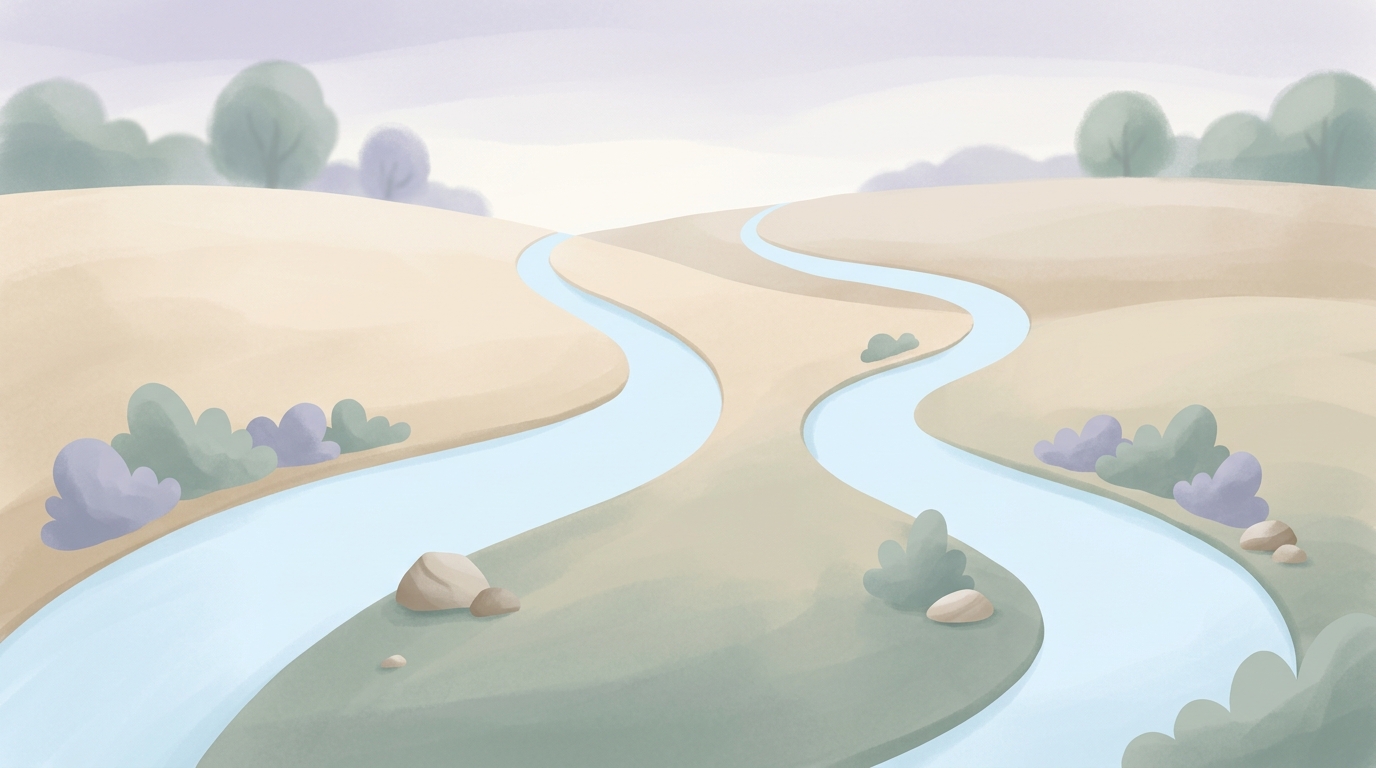
Choice paralysis happens when you face too many options. Selecting an option requires predicting outcomes and setting priorities.
When your brain's working memory is full, every option feels risky. Deciding on lunch can feel as heavy as picking a career.
This is an environment mismatch, not a character flaw. To reduce this friction, limit your options artificially.
Pick just two or three choices and hide the rest. Set a timer for sixty seconds to pick one option. A good-enough choice today keeps you moving forward.
Task Paralysis: Overcoming the Initiation Barrier
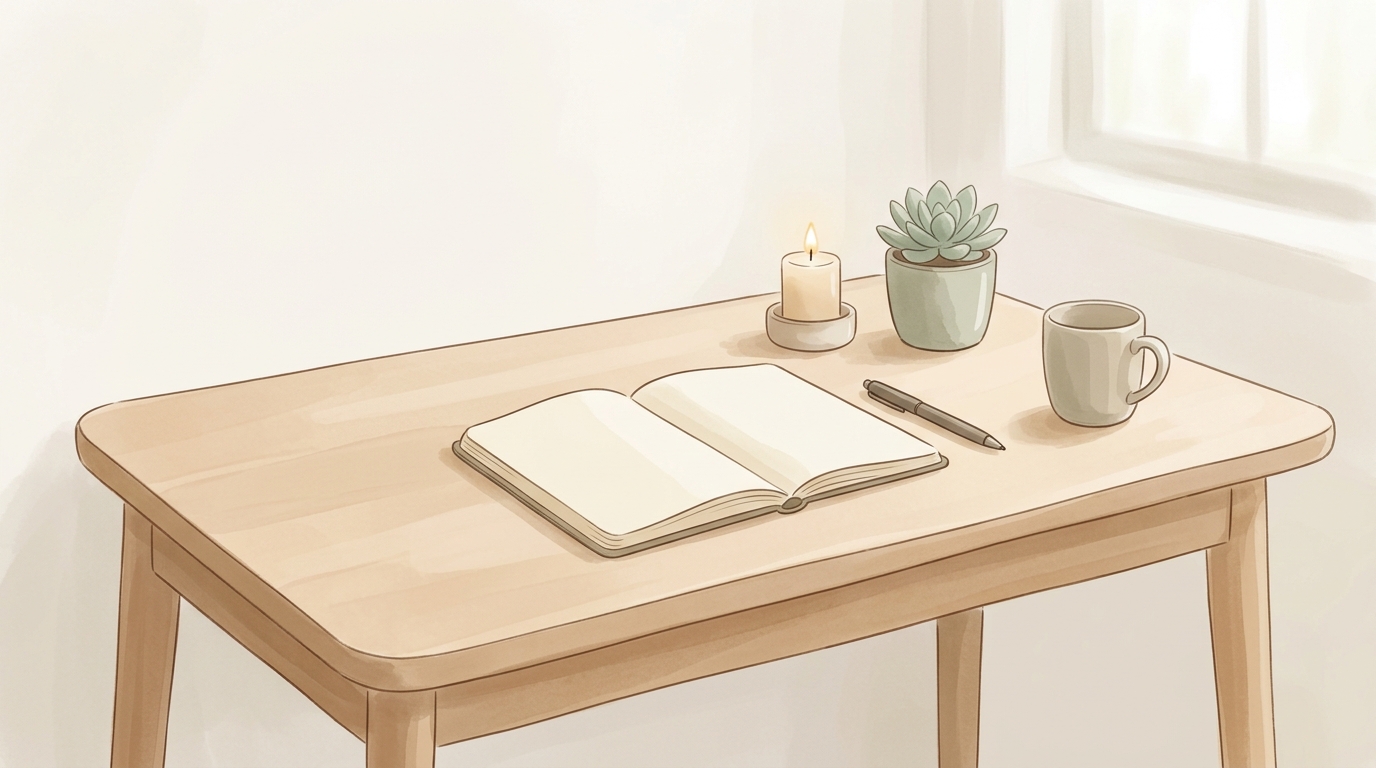
Task paralysis occurs when you know what to do, but cannot start. You might intend to clean or open a file.
Yet, your body feels frozen in place. This happens because the transition into work demands heavy mental energy.
Vague or complex tasks overload your short-term memory. The fix is lowering the physical friction of the start.
Use a Minimum Viable Action. Shrink the first step until it feels incredibly tiny. If cleaning feels impossible, just put one mug in the sink. Starting tiny signals safety to your nervous system.
Gentle Strategies to Restore Daily Momentum

When you feel trapped in a freeze, soothe your body before forcing action. Take three deep, slow breaths with long exhales.
Change your location or step outside for two minutes. Lower sensory input by wearing quiet headphones or dimming lights.
Try working alongside another person to borrow calm focus. Commit to five minutes of work with permission to stop after.
Replace self-criticism with neutral curiosity. Ask yourself what small adjustment your environment needs right now. Supportive systems build long-term trust with your brain.
Building Self-Trust One Micro-Step at a Time
Freezing is a sign of system overload, not personal failure. You do not need more willpower to break free.
You simply need smaller steps and a calmer environment. By capping options and shrinking tasks, you can gently restore action.
Treat yourself with patience when your brain pauses. Focus on creating supportive conditions that work with your mind.
Momentum returns when you meet yourself with compassion.
Build a productivity system around your real capacity
If these strategies resonated with you, our comprehensive guide will give you a full toolkit to start, focus, reset, and recover on low-capacity days.