How to Build a Bare-Minimum Routine for Low Energy Days
Published on August 05, 2026
Minimum Viable Action (MVA)
On low-energy days, lower your friction by choosing bare-minimum actions that support your basic needs.
Why Low-Energy Days Happen
Some days, your brain feels slow and tired. Simple tasks suddenly feel very heavy.
This is not a failure of willpower. Your brain is experiencing low executive function.
Executive function manages planning, starting tasks, and memory. When stress or fatigue grows, this system slows down. Dopamine levels drop, making routine tasks feel hard.
Trying harder with rigid systems often causes burnout. Instead, adjust your environment to match your current energy. A bare-minimum routine helps you care for your needs gently.
Minimum Viable Actions for Daily Needs
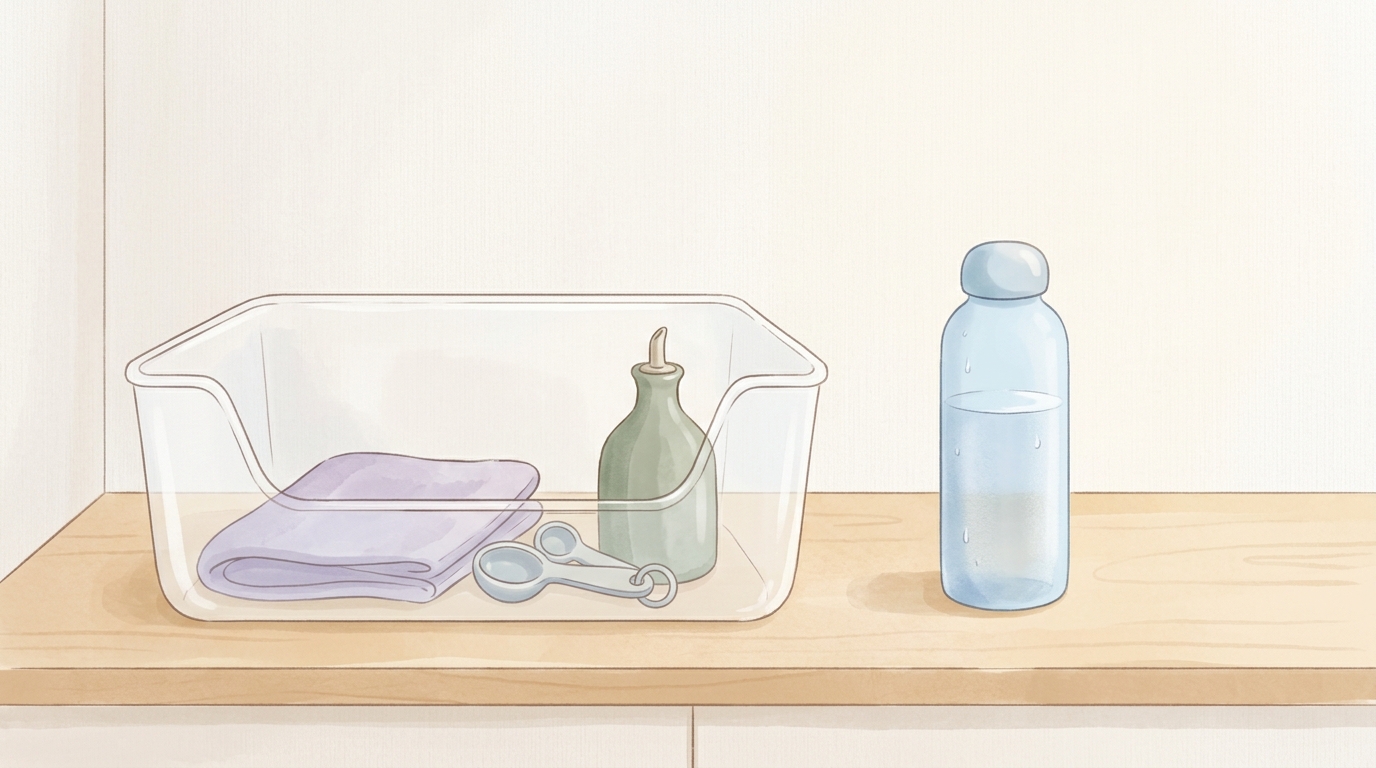
You do not need an elaborate routine every day. On low-energy days, aim for minimum viable actions. These are small steps that meet your core needs.
For meals, ditch complex cooking. Keep simple, pre-made frozen meals in your freezer. Keep a water bottle with a sports cap nearby.
For laundry, stop sorting every single item. Use clear plastic bins to drop clothes into quickly. Wear comfortable clothes that do not need ironing.
Set up designated landing spots for essential items like keys. This stops you from burning energy looking for lost objects.
Lowering Sensory Stress and Anxiety

When cognitive energy is low, sensory overload happens faster. Background noise and harsh lights make focus much harder. You must calm your sensory system first.
Use foam earplugs or gentle background noise like soft rain. Lower your screen brightness to reduce eye strain.
Try a two-minute belly breathing exercise. Inhale slowly into your stomach through your nose. Exhale slowly through your mouth to calm your nervous system.
Ground yourself with the 5-4-3-2-1 technique. Name five things you can see around you right now. Notice four things you can physically feel. A brief ten-minute walk can also gently lift your mood.
External Supports and Restful Evenings
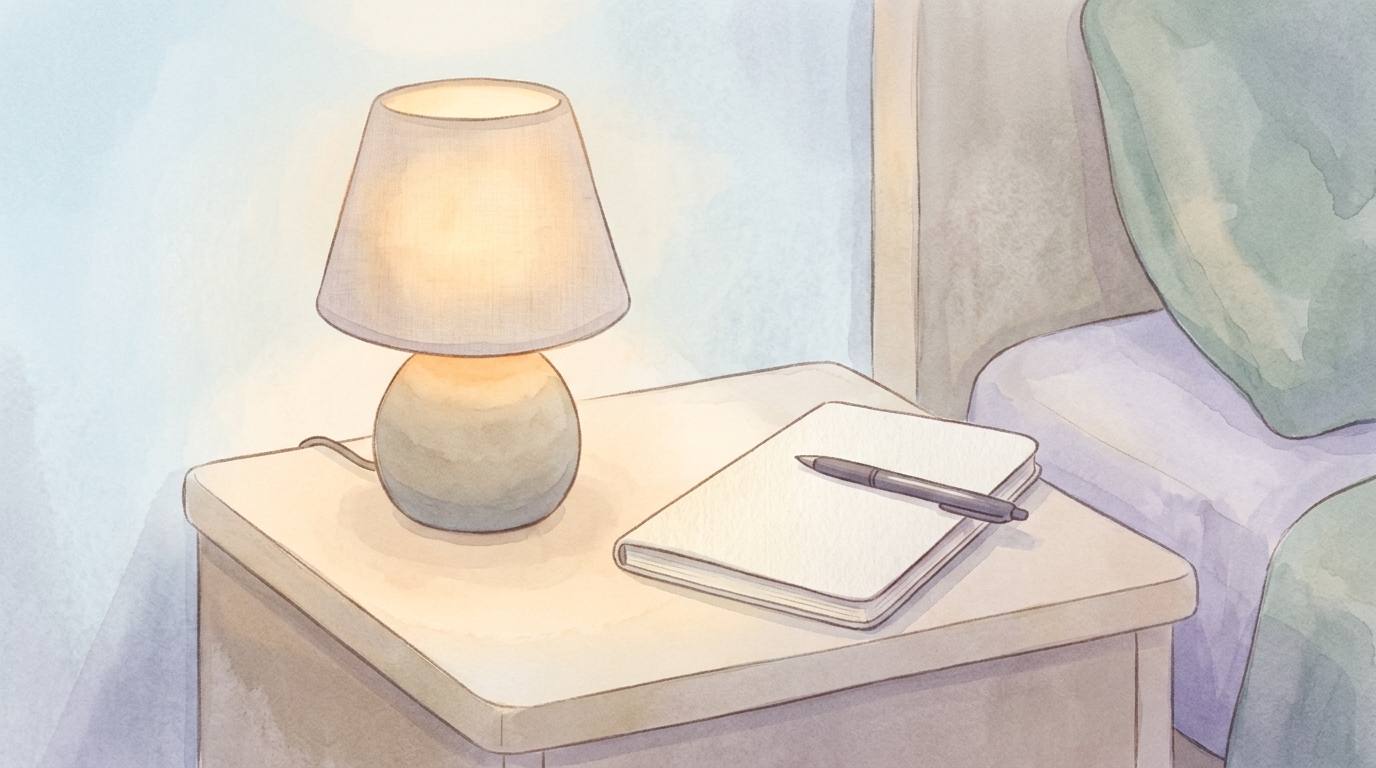
Do not rely on working memory when you feel drained. Write down micro-steps instead of big task titles. Instead of writing 'clean room,' write 'put two cups in sink.' Highlight just one action to work on at a time.
Say your current task out loud to stay anchored. You can also try body doubling with a supportive friend. Working side-by-side quietly helps reduce initiation friction.
Protect your sleep with a gentle wind-down process. Set an alarm to turn off high-stimulus screens early. Write a quick brain dump of pending tasks on paper. This clears your mind so you can rest peacefully.
Redefine Success on Low-Bandwidth Days
Low executive function days are normal biological shifts. They are not personal failures or lack of effort. Your worth is not measured by your productivity.
When energy returns, your regular routines will be waiting. For today, focus on self-preservation and basic care. Celebrate the small actions you completed today. Give yourself permission to rest and recover.
Build a productivity system around your real capacity
If these strategies resonated with you, our comprehensive guide will give you a full toolkit to start, focus, reset, and recover on low-capacity days.