Minimum Viable Action (MVA)
Align your daily environment with your brain's unique stimulation needs by pairing tasks with a flexible four-tier menu.
Understanding Your Brain's Need for Stimulation
Do you struggle to start boring daily tasks? You are not lazy or lacking effort.
Your brain simply has a lower baseline level of natural stimulation. When your surroundings lack interest, starting a task creates heavy friction.
This friction is a system mismatch, not a personal failure. A dopamine menu helps you shape your space to fit your needs.
It organizes daily activities into clear, supportive options. By matching activities to your current energy, focus becomes much easier.
The Fast Dopamine Loop and Environment Mismatch

When a task feels tedious, your brain seeks fast relief. This often leads to phone scrolling or quick snacks.
These fast choices deliver quick bursts of energy. However, those rapid bursts fade very quickly.
They often leave your brain feeling more tired than before. You might feel stuck in an endless loop.
This loop happens when your environment lacks low-friction engagement. You can break this loop by offering your brain better choices.
Building Your Four-Tier Dopamine Menu
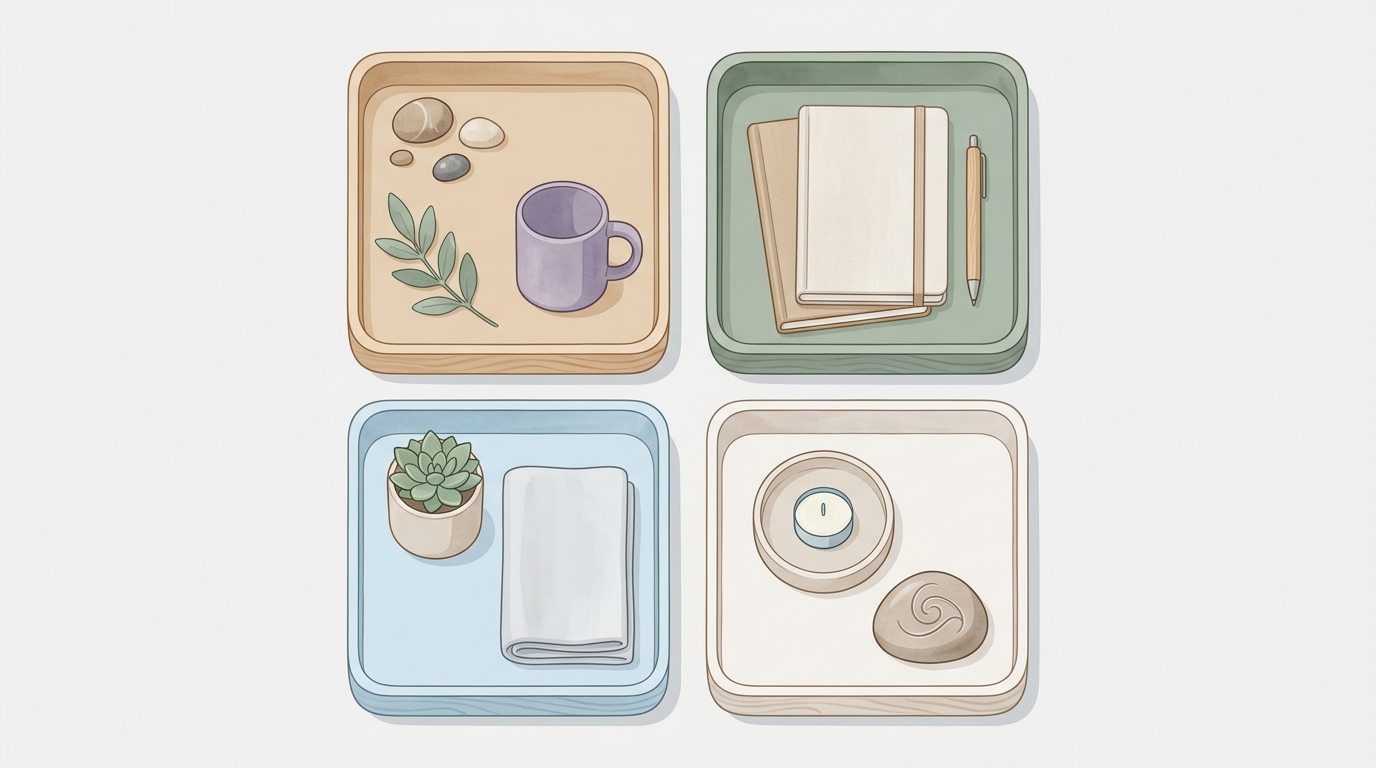
A menu organizes activities into four balanced categories.
Appetizers are low-effort resets like a quick stretch or drinking cold water. They help reset your attention gently.
Mains take more effort but bring deep satisfaction. Examples include a short walk, a creative hobby, or a completed project step.
Sides add extra interest to boring chores. You can listen to music or podcasts while folding laundry or answering emails.
Desserts are fast treats like social media or video games. We place light limits on desserts so they stay enjoyable without draining your energy.
Practical Steps and Medical Health Baselines

Start by shrinking big goals into a Minimum Viable Action. Reduce the step until starting feels completely effortless.
For example, wear your walking shoes instead of planning a long workout. Small steps build smooth momentum.
If you drift into scrolling, use a shame-free transition. Notice the moment quietly and take one tiny appetizer step.
Also, check physical health basics with a medical professional. Low iron, vitamin D, or thyroid levels can cause similar brain fog.
Creating a Gentle Path Forward
Focus is about building supportive surroundings for your day. Your brain responds best to calm, intentional structures.
Take time to build your menu over several weeks. Treat your setup as a flexible daily experiment.
When friction pops up, adjust your environment instead of blaming yourself. Small, practical changes lead to steady everyday progress.
Build a productivity system around your real capacity
If these strategies resonated with you, our comprehensive guide will give you a full toolkit to start, focus, reset, and recover on low-capacity days.