How to Build a Dopamine Menu Without Brain Overload
Published on August 29, 2026
Minimum Viable Action (MVA)
Keep your dopamine menu small and simple to lower decision fatigue and make state transitions gentle.
Why Picking a Restful Break Feels So Hard
You know you need a break. Yet, choosing what to do feels like heavy lifting.
When your brain energy is low, picking an activity takes work. This is not a lack of willpower. It is a sign of decision fatigue.
Your environment asks your brain to make too many choices at once. A dopamine menu can help you reset your focus. But a huge list of options can overload your mind. Let us explore how to build a calm, simple system.
The Science of Choice Overload

Brain research shows that having too many options causes friction. When a list is too long, your brain struggles to evaluate each item.
Scientists found that a small set of choices works best. Around eight to twelve total items is the ideal number.
Anything more can freeze your decision-making system. When options overload your brain, you default to quick distractions. You might scroll on your phone for hours instead of resting. Keeping your menu small protects your brain energy.
Organizing Your Menu into Simple Courses

Think of your reset activities like a restaurant menu. Grouping items helps lower cognitive load.
Appetizers are fast actions that take one to three minutes. You could pet your cat or brew a warm drink. Mains take ten to fifteen minutes, like stretching or walking outside.
Sides are passive environment tweaks, like playing soft music while working. Desserts are high-stimulation fun saved for post-work hours.
If a main activity feels daunting, try a Minimum Viable Action. Putting on walking shoes is much easier than planning a whole walk.
Returning to Work Without Guilt
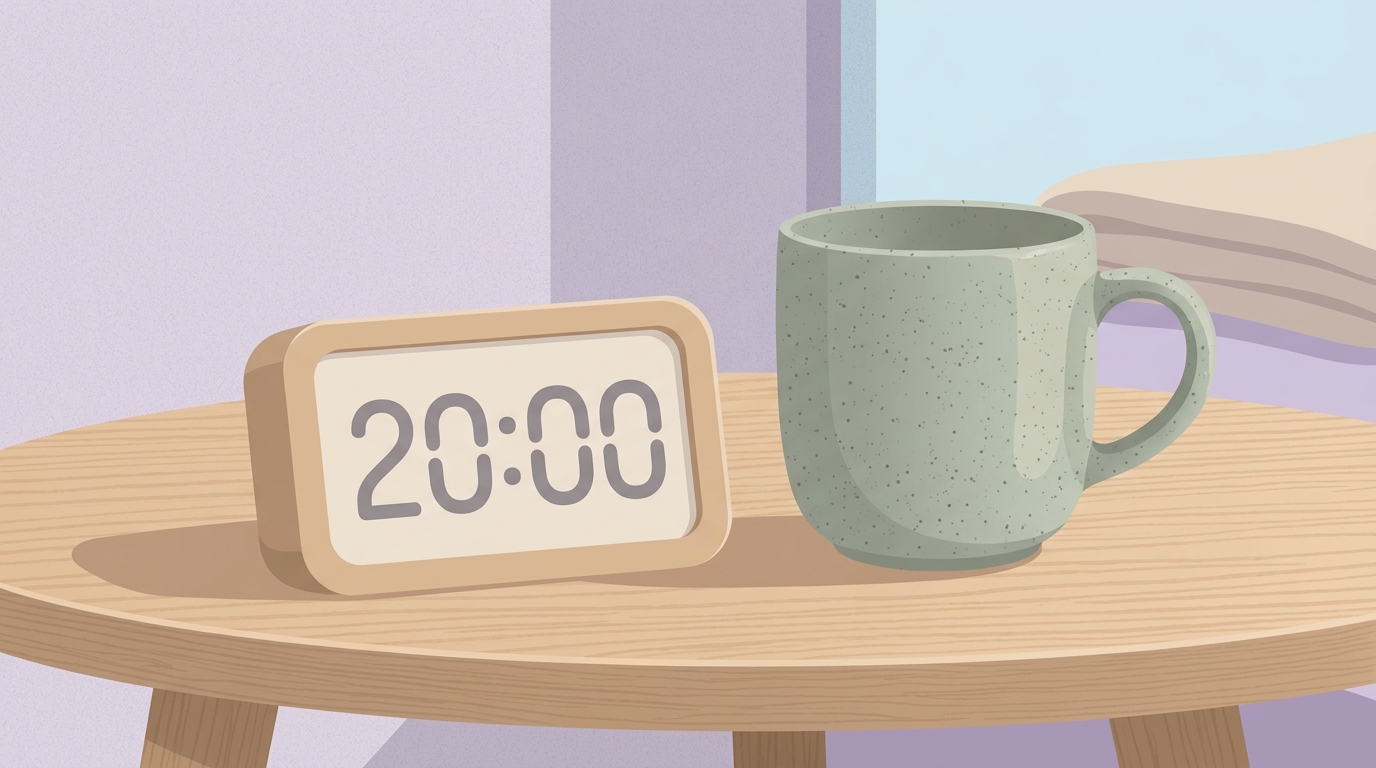
Ending a good break can feel physically hard. Standard five-minute timers are easy for your brain to ignore.
Try setting an unusual timer, like thirteen minutes and seventeen seconds. A strange time piques your curiosity and breaks your auto-pilot state. It creates a gentle, playful boundary to wrap up your rest.
If you get stuck scrolling, treat yourself with compassion. Taking a break is not avoidance; it is essential energy maintenance. A structured menu helps you return to tasks smoothly.
Giving Your Brain Room to Breathe
A good dopamine menu is not a long wishlist of ideal habits. It is a small, supportive system for your everyday energy.
Focus on keeping your options few and clear. Small steps make it easy to start resting and working again.
Give your setup room to support your brain today.
Build a productivity system around your real capacity
If these strategies resonated with you, our comprehensive guide will give you a full toolkit to start, focus, reset, and recover on low-capacity days.