How to Build a Low-Cost Dopamine Menu for Your Brain
Published on August 23, 2026
Minimum Viable Action (MVA)
You can give your brain the stimulation it needs by building a gentle, low-cost menu of tailored activities.
Why Your Brain Craves Stimulation
Finding focus can feel like a daily puzzle for neurodivergent adults. Your brain naturally seeks novelty to initiate tasks and stay grounded. This search is not a flaw or a lack of effort. It is a basic physical need for your brain circuitry.
Modern life makes quick stimulation very expensive. You might order food delivery or buy new hobby supplies on impulse. When your environment does not offer easy low-cost options, expenses add up fast. This creates unnecessary financial stress and quiet guilt.
You do not need extreme rules to break this expensive cycle. You just need better alignment between your environment and your neurochemistry. A structured dopamine menu offers rich stimulation without hurting your savings.
Why Restrictive "Detoxes" Often Backfire
Popular internet trends often promote a complete dopamine detox. They urge people to cut out all fast pleasure completely. Neuroscience shows that cutting out all joy actually backfires. Your brain requires dopamine to move, learn, and sleep well.
Denying yourself all stimulation causes intense mental fatigue. When you block every reward, your brain hyper-focuses on what is missing. This sharp deprivation often leads to sudden impulse spending later. It is a natural response to an overly restrictive system.
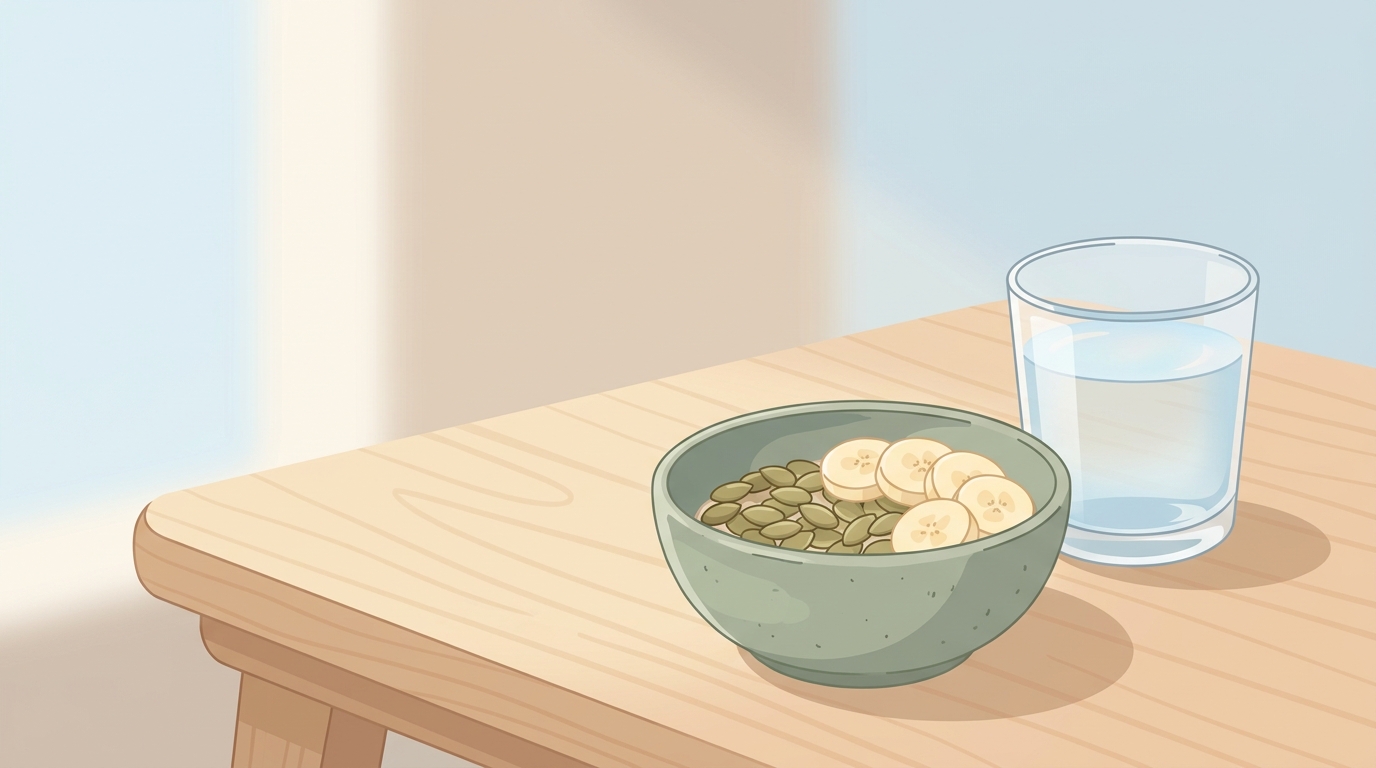
Behavioral science suggests a much kinder path called replacement. Instead of removing joy, you add simple, low-cost sources of engagement. Nourishing foods, gentle movement, and sensory shifts keep your brain balanced naturally.
Designing Your Low-Cost Dopamine Menu
You can organize your stimulation options just like a restaurant menu. Pre-building your choices removes decision stress when your energy feels low. Your menu includes starters, full meals, side items, and balanced treats.
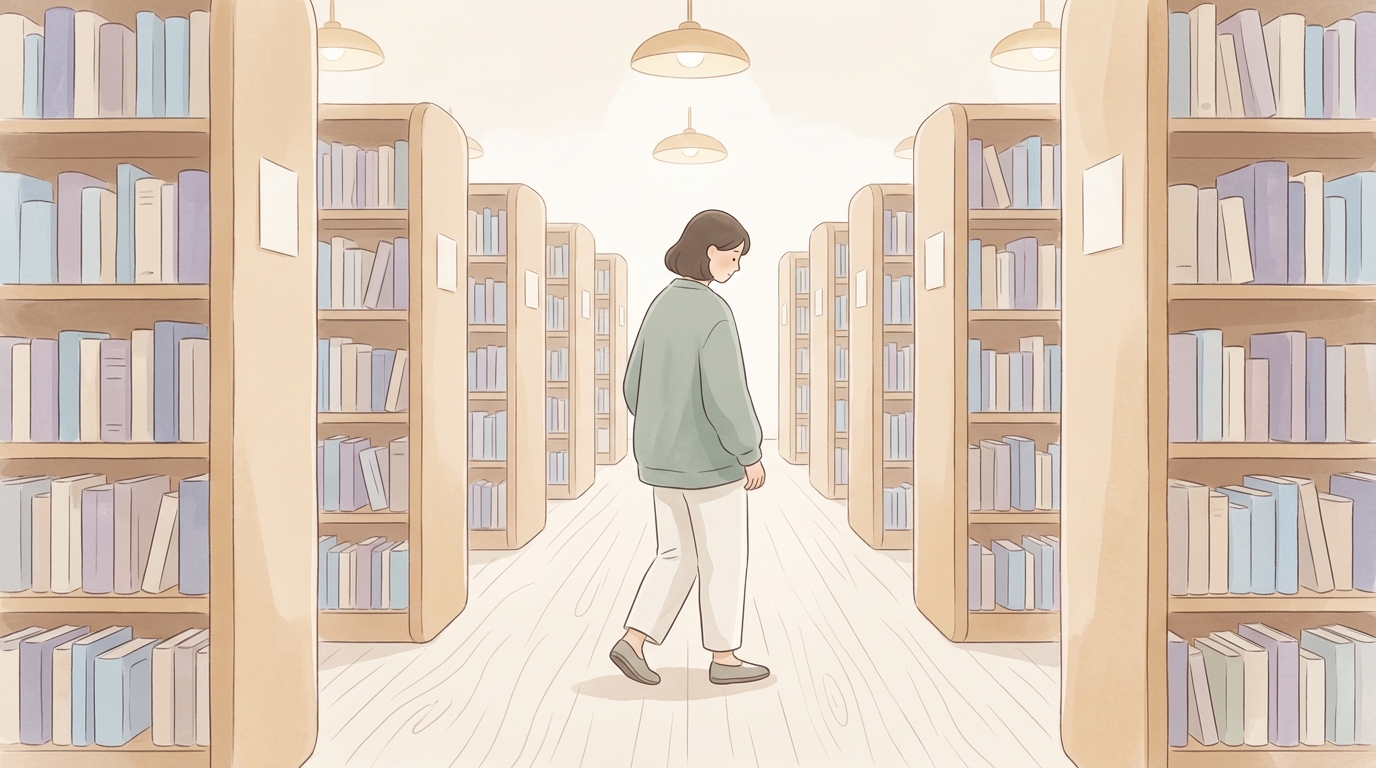
Starters are quick two-minute resets. Splashing cold water on your face or stretching to one song can alter your nervous system. Main courses are deeper activities like exploring local public library stacks or walking a park trail. These activities provide rich visual novelty without costing a dollar.
Side items add light background support during work, like soft brown noise or desk fidgets. Desserts are intense fun, like video games or social media. You do not have to ban desserts completely. Simply give them soft boundaries so they remain refreshing.
Testing Your Menu with Small Experiments
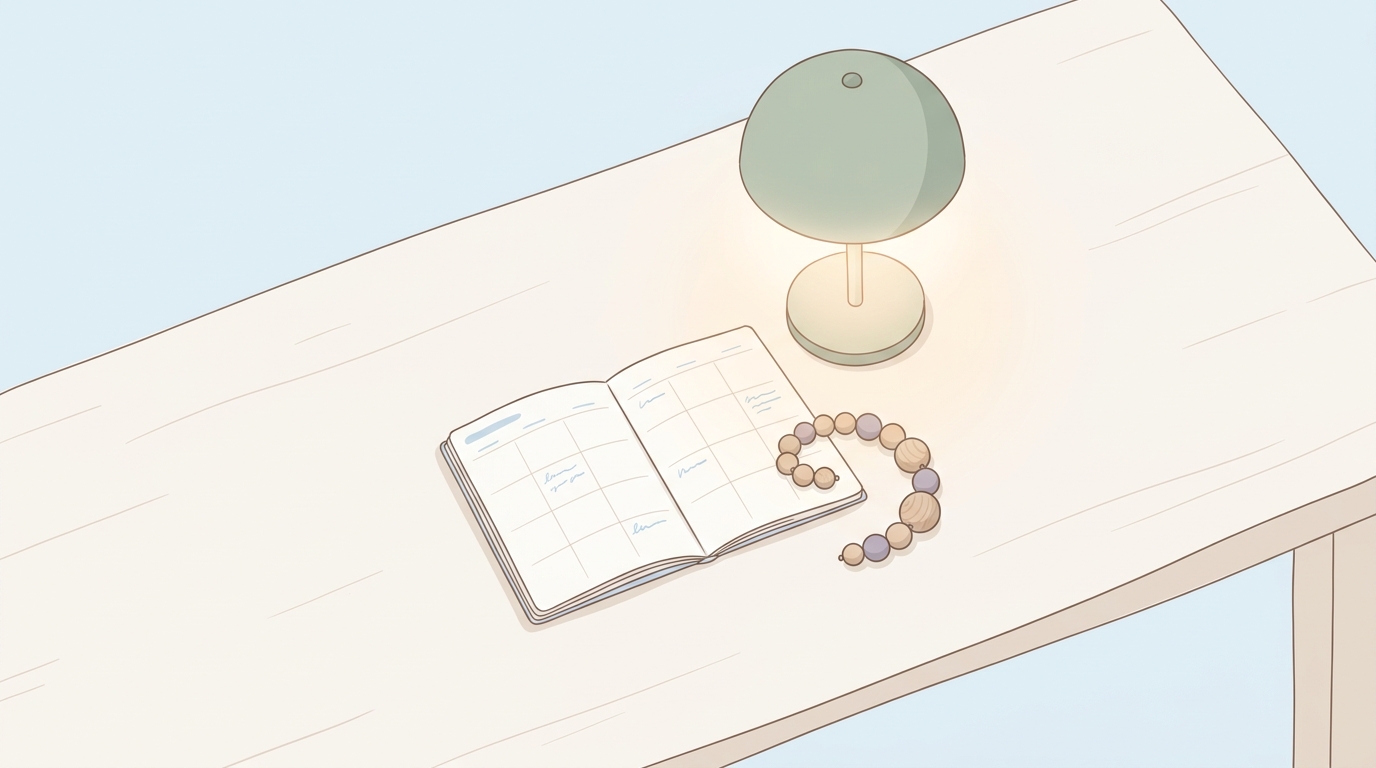
You can test your new menu through small, supportive experiments. Start by picking one expensive habit you want to adjust. Choose a short testing period, like three days or one week.
Frame this practice as curiosity rather than a strict test. When you feel an urge to spend, pick a starter or main activity instead. Notice how your body feels after trying the low-cost replacement.
Keep your observations neutral and compassionate. If an activity feels dull, simply try a different menu item tomorrow. Friction simply means the current tool does not fit your immediate need. Adjusting your setup helps you build sustainable habits over time.
Gentle Stimulation That Fits Your Life
Your brain deserves reliable access to engagement and joy. Needing stimulation is a natural part of your biology. You do not need to rely on expensive buys or harsh self-denial.
A thoughtful dopamine menu works with your natural neurochemistry. It gives you quick, flexible options whenever focus feels out of reach. By matching your environment to your needs, you save money and reduce stress. Small, supportive systems help you stay comfortably engaged every day.
Build a productivity system around your real capacity
If these strategies resonated with you, our comprehensive guide will give you a full toolkit to start, focus, reset, and recover on low-capacity days.