How to Handle Important Tasks on ADHD Bad Brain Days
Published on August 25, 2026
Minimum Viable Action (MVA)
When brain fog strikes, reduce sensory stimulation and shrink your next step until starting feels easy.
Understanding the Fog: Why Bad Brain Days Happen
Some days, your focus works smoothly. On other days, your brain feels heavy and slow.
This heavy feeling is often called brain fog. It makes simple work feel nearly impossible.
Brain fog is not a character flaw. It is not a lack of willpower.
Instead, it is a biological state. Your brain is running low on executive energy.
When stress or fatigue build up, your prefrontal cortex slows down. Your working memory shrinks.
This causes task paralysis. You know what to do, but your brain cannot start.
This happens because of a system mismatch. Your environment is asking for energy you do not have today.
Step 1: Pause and Filter Your Workspace
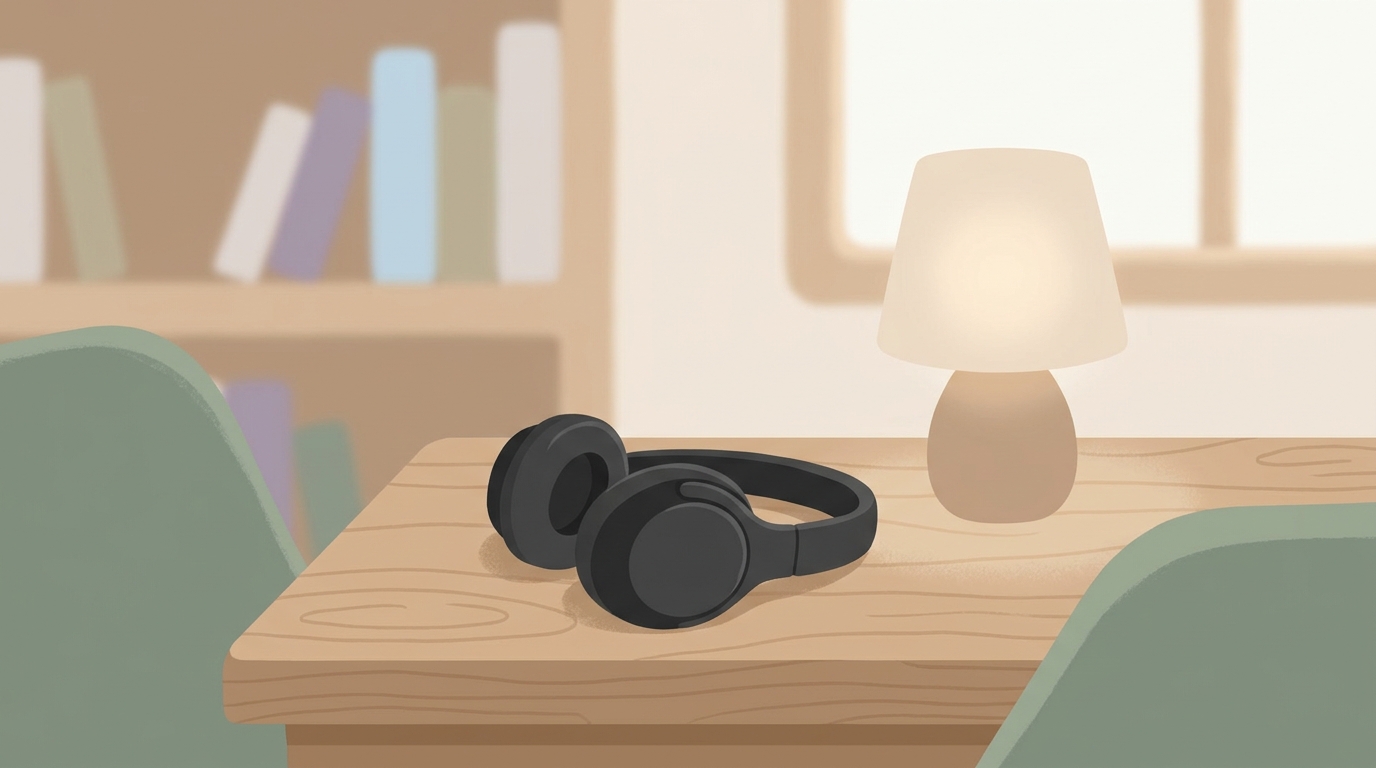
When brain fog sets in, pushing harder usually backfires. Extra effort increases stress and fatigue.
First, reduce sensory input. Turn off bright overhead lights and put on noise-canceling headphones.
Close extra browser tabs. Step away from your desk for ten minutes to rest your eyes.
Next, reduce your workload visually. A long to-do list creates instant freeze states.
Pick just one urgent task. We call this a high-priority red task.
Hide all other items. Put optional chores out of sight until your energy returns.
Step 2: Shrink the Task Until Friction Disappears

Large tasks require high activation energy. On low-capacity days, your brain rejects big demands.
You can lower friction by finding your Minimum Viable Action. This is a tiny starting step.
Make the step so small that failing feels impossible.
If you need to write a report, your first step is opening a blank document.
If you need to reply to an email, your first step is typing the recipient's name.
Give yourself permission to stop after that single step. Starting breaks the mental friction.
Step 3: Offload Memory and Work in Micro-Bursts

Brain fog weakens your working memory. Trying to hold thoughts in your head causes strain.
Keep a physical scratchpad next to your keyboard. Write down intrusive thoughts as they pop up.
This stores your thoughts safely without breaking your current focus. If instructions are unclear, ask for written details.
Avoid long work sessions today. Work in short micro-bursts of ten to fifteen minutes.
Take mandatory five-minute breaks between bursts. Rest without staring at another screen.
If your attention drifts, gently return to your work without harsh self-talk.
Replacing Shame With Better Support
Working through brain fog is not about pushing harder. It is about supporting your nervous system.
Adjust your tools and pacing to match your energy today.
You do not need to feel guilty for low-capacity days. Brain fog is a signal to slow down and adapt.
By lowering demands and taking small steps, you protect both your work and your well-being.
Build a productivity system around your real capacity
If these strategies resonated with you, our comprehensive guide will give you a full toolkit to start, focus, reset, and recover on low-capacity days.