How to Reset Your Nervous System After a Loud, Overwhelming Day
Published on August 24, 2026
Minimum Viable Action (MVA)
Sensory overload is a biological reaction to an overstimulating environment, which you can ease using simple, low-stimulus recovery tools.
Why Busy Days Feel So Exhausting
Do you feel completely drained after a normal day out? Bright lights, loud traffic, and noisy rooms overload your brain. Your brain receives more sensory information than it can process at once.
Your brain relies on an internal sensory filter to manage daily input. When environments are loud or busy, this filter works overtime. Eventually, your mental energy runs out.
This exhaustion is not a failure of willpower. It is a natural response to an environment mismatch. Your nervous system simply needs time to rest and reset.
Build a Low-Stimulus Micro-Space
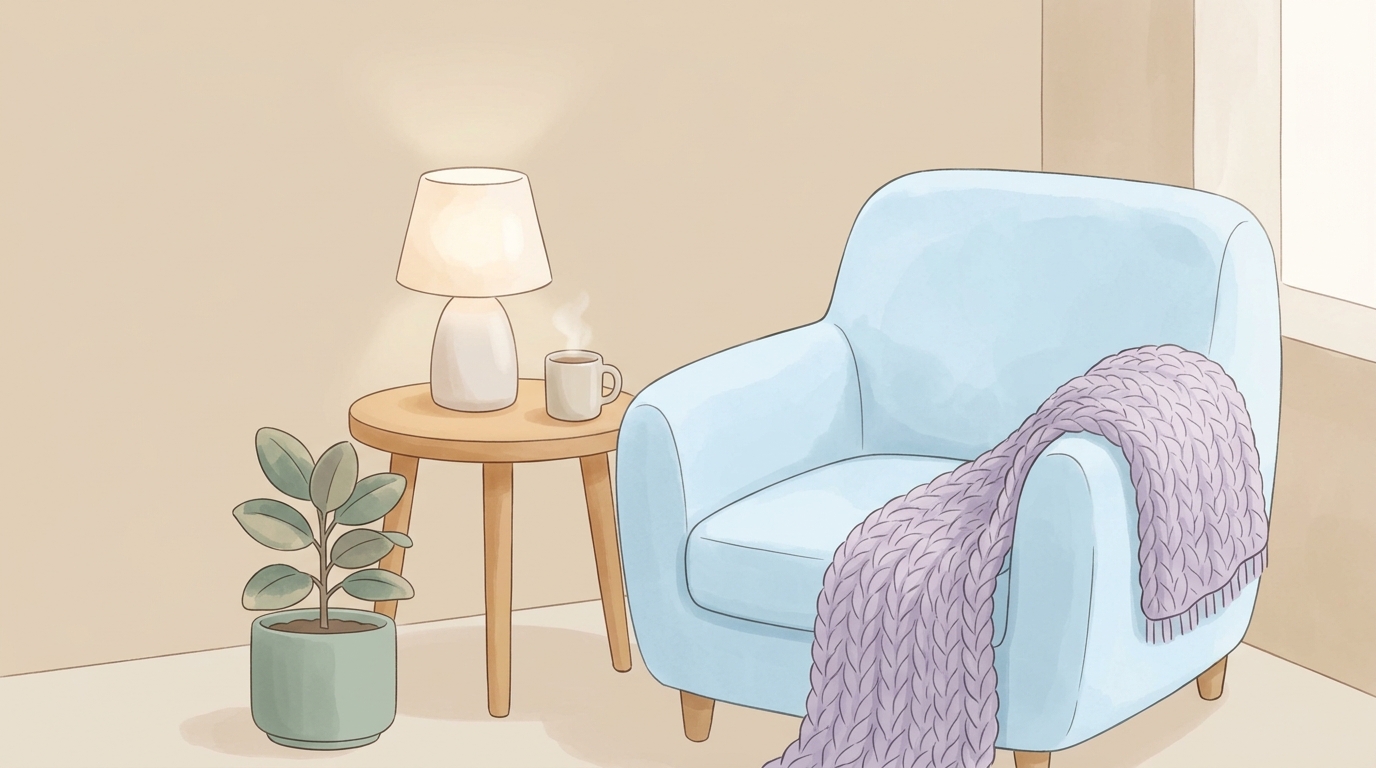
When you arrive home, high stimulus levels can keep your body stressed. Creating a low-stimulus micro-space helps your brain settle down.
You do not need a full extra room for this. A comfortable chair in a quiet corner works great. Keep the area dark or use a warm, dim lamp.
Add soft items like a weighted blanket or cozy pillow. Put on noise-canceling headphones to block out remaining household noise. This small space signals safety to your nervous system.
Reset Your Body with Slow-Paced Breathing
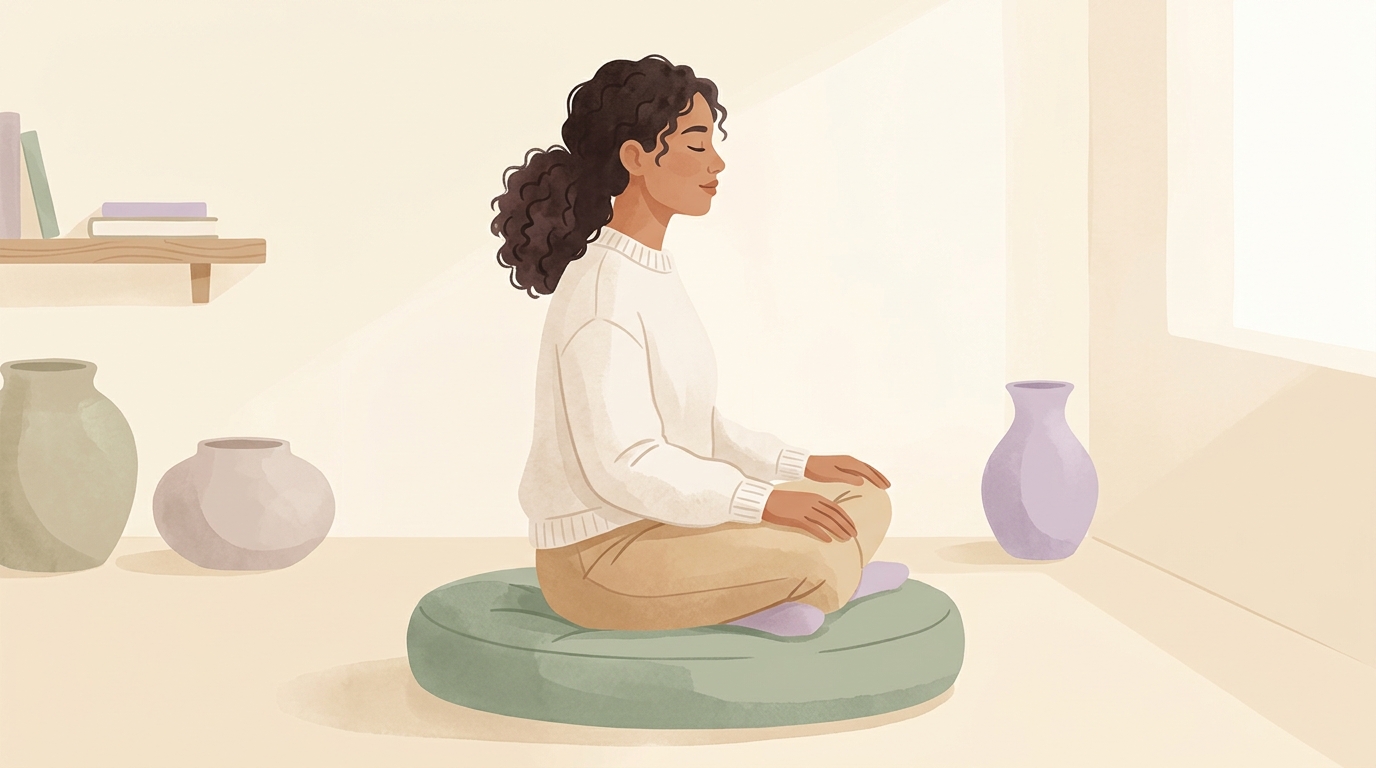
Sensory overload activates your body's survival system. Your heart rate speeds up, and your brain senses danger.
Slow-paced breathing helps calm this stress response. It directly stimulates your vagus nerve to slow your heart rate.
Try breathing in through your nose for four seconds. Then exhale slowly through your lips for six seconds. Repeat this gentle rhythm for five to ten minutes. This simple practice helps bring your body back into balance.
Protect Your Transitions with Buffer Time
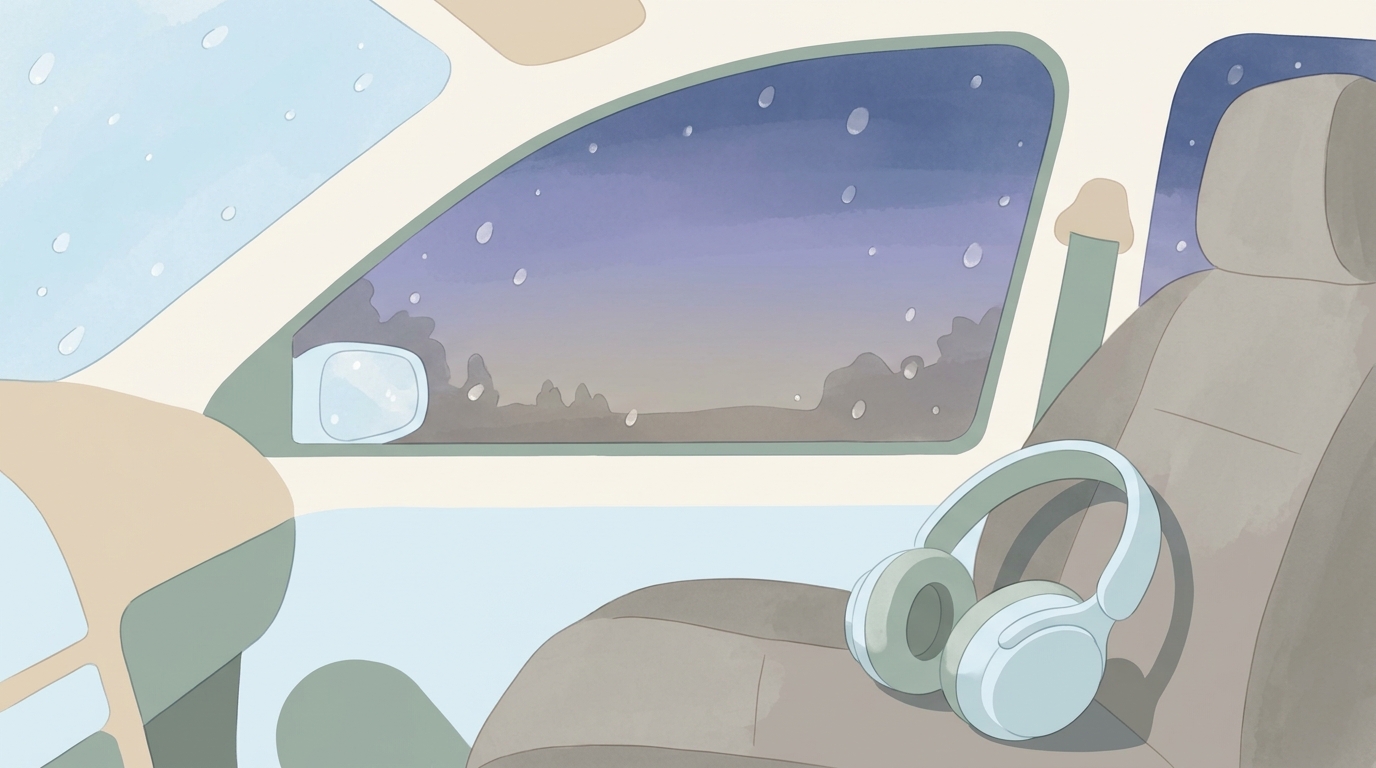
Moving quickly from a busy commute to home duties causes stress. You might find yourself staring at your phone in your car. This transition paralysis means your brain needs a pause.
Give yourself a fifteen-minute transition buffer after arriving home. Use this time to rest before starting chores or conversations.
Communicate this need clearly to the people you live with. Tell them you need fifteen quiet minutes to settle your mind. Setting this clear boundary protects your daily mental energy.
Honor Your Recovery Needs
Sensory overload is a physical reaction, not a character flaw. Your brain is simply reacting to an overstimulating environment.
Using tools like quiet spaces, slow breathing, and buffers is smart care. You do not have to force yourself through overwhelming situations without support.
Give your body the quiet recovery time it naturally deserves. Small adjustments to your surroundings help restore your focus and calm.
Build a productivity system around your real capacity
If these strategies resonated with you, our comprehensive guide will give you a full toolkit to start, focus, reset, and recover on low-capacity days.