Lower Friction and Break ADHD Task Paralysis with the 5-Minute Entry Ramp
Published on August 26, 2026
Minimum Viable Action (MVA)
Lower task initiation friction by using tiny micro-actions, staging your workspace first, and committing to just five low-pressure minutes.
Why You Get Stuck (and Why It Is Not Your Fault)
Have you ever felt completely locked in place? You know exactly what task you need to do. Yet your body simply will not move.
This frozen feeling is called task paralysis. It is a common experience for adults with ADHD.
Task paralysis is not laziness or a lack of discipline. It happens when your environment asks for more executive bandwidth than your brain currently has available.
When your setup matches your neurological needs, starting a task becomes much easier.
The Science Behind the Freeze
Complex everyday tasks require many brain steps at once. You must hold information in mind, map out steps, and suppress distractions.
When a task lacks novelty, starting demands heavy top-down effort. This mental exertion can feel physically uncomfortable and exhausting.
Your brain pauses to protect you from that overwhelming internal distress. This freeze is an environmental mismatch, not a character flaw.
Understanding this effort cost helps you design better entry points for your daily routine.
Lower the Bar with Micro-Actions and Workspace Staging
To start moving, shrink your very first step. Make it tiny and manageable. We call this a Minimum Viable Action.
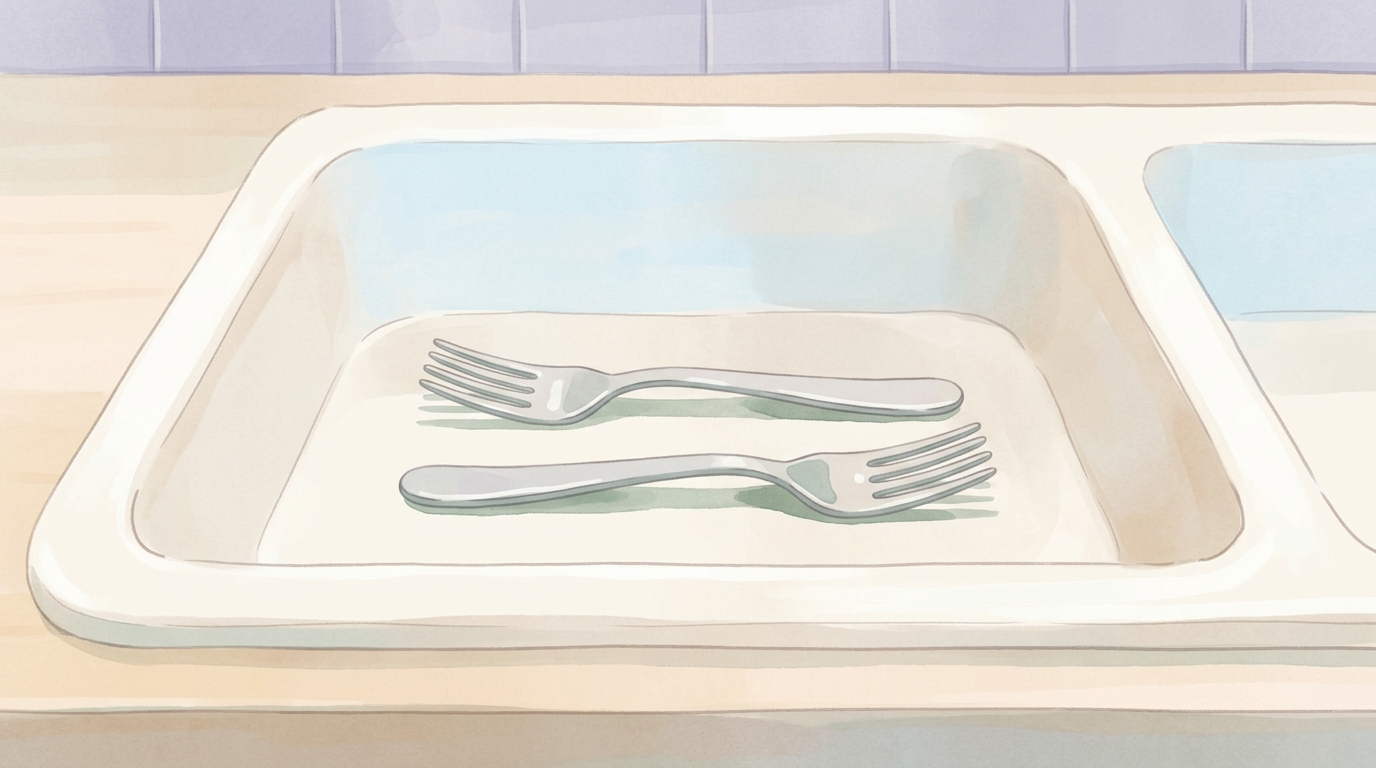
Do not clean the entire kitchen right now. Just place two forks into the sink.
Do not write your whole project proposal. Just open a document and type the header.
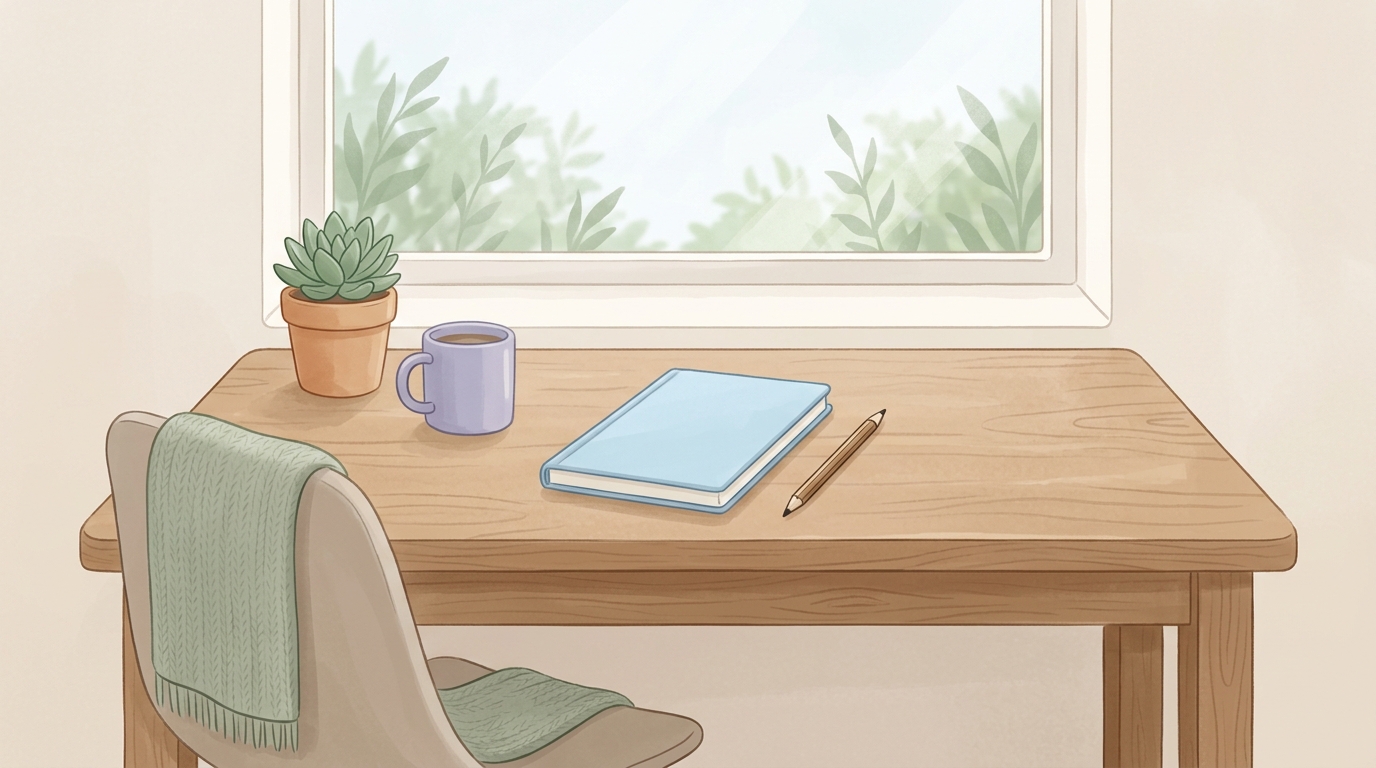
Next, separate setting up your workspace from doing the work. Gather your tools, then step away for one full minute to lower initial friction.
Use the 5-Minute Container for Gentle Transitions

Give yourself permission to work for just five minutes. Set a quiet, gentle timer on your desk.
Commit only to your tiny micro-action during this window. When the timer rings, you have explicit permission to stop.
Often, taking that small first step helps your brain engage naturally. The friction vanishes once you begin moving.
If you still feel friction after five minutes, take a quiet break. Stopping builds deep trust with your nervous system.
Building Your Personal Entry Ramp
You do not need more willpower to start your daily tasks. You simply need a gentler entry ramp.
By shrinking your initial steps and staging your environment, you protect your executive energy.
Start small today. Stage your workspace, set a five-minute timer, and move at your own natural pace.
Build a productivity system around your real capacity
If these strategies resonated with you, our comprehensive guide will give you a full toolkit to start, focus, reset, and recover on low-capacity days.