Quiet Overstimulation: How to Recognize and Recover from Adult ADHD Sensory Overload
Published on July 30, 2026
Minimum Viable Action (MVA)
When you feel overstimulated, downshift your environment instead of trying to push through.
Why Adult ADHD Overload Feels So Hidden
Do you ever feel suddenly exhausted without knowing why?
Your mind feels foggy. Your shoulders sit up near your ears. Simple choices feel completely overwhelming.
For adults with ADHD, this state is common. It is called quiet overstimulation.
It does not look like running around or making noise. Instead, your brain turns the volume inward.
This is not a character flaw. You are not lazy or weak.
Your environment is simply asking for more bandwidth than your brain currently has available.
The Science Behind the Unfiltered Brain
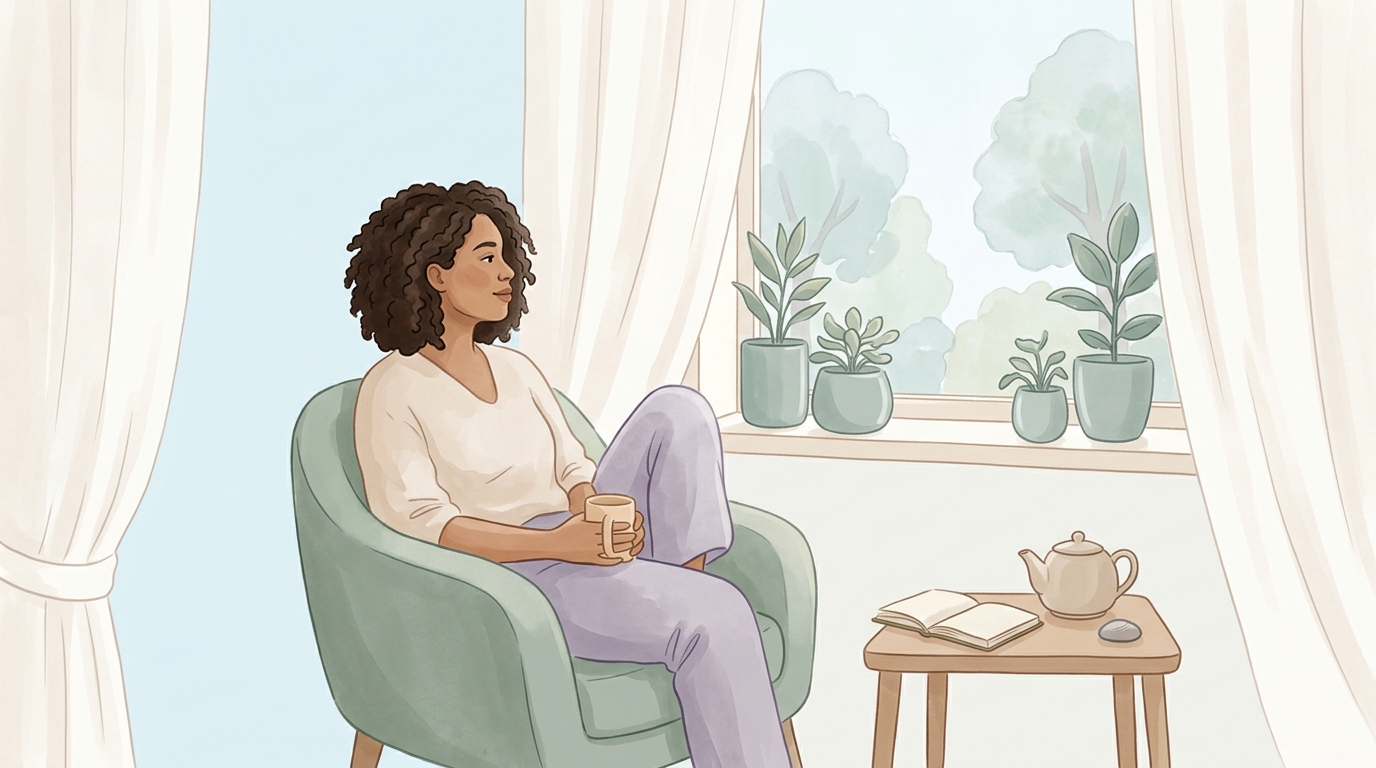
Your brain has a built-in filter called the prefrontal cortex.
In a neurotypical brain, this filter mutes background noise automatically. It quietens fluorescent lights, distant conversations, and background hums.
In an ADHD brain, this filter works differently. It lets almost every sound and sight enter at full volume.
Because your brain tries to process everything at once, your working memory drains quickly.
Lower levels of dopamine make it hard to quiet the mental background noise. When input fills your brain, simple tasks start to feel impossible.
Recognizing Meltdowns and Shutdowns
Sensory overload builds up across three distinct areas of your life.
Physically, you might feel tight muscles, headaches, or deep fatigue.
Emotionally, small interruptions can cause sudden irritation or unexpected tears.
Cognitively, you might forget why you entered a room or struggle to speak.
When capacity overflows, your body enters a protection mode. An outward release leads to a meltdown. An inward freeze leads to a shutdown.
Think of a shutdown like a flooded engine. Forcing it to turn over only causes more friction.
Practical Steps to Lower the Volume
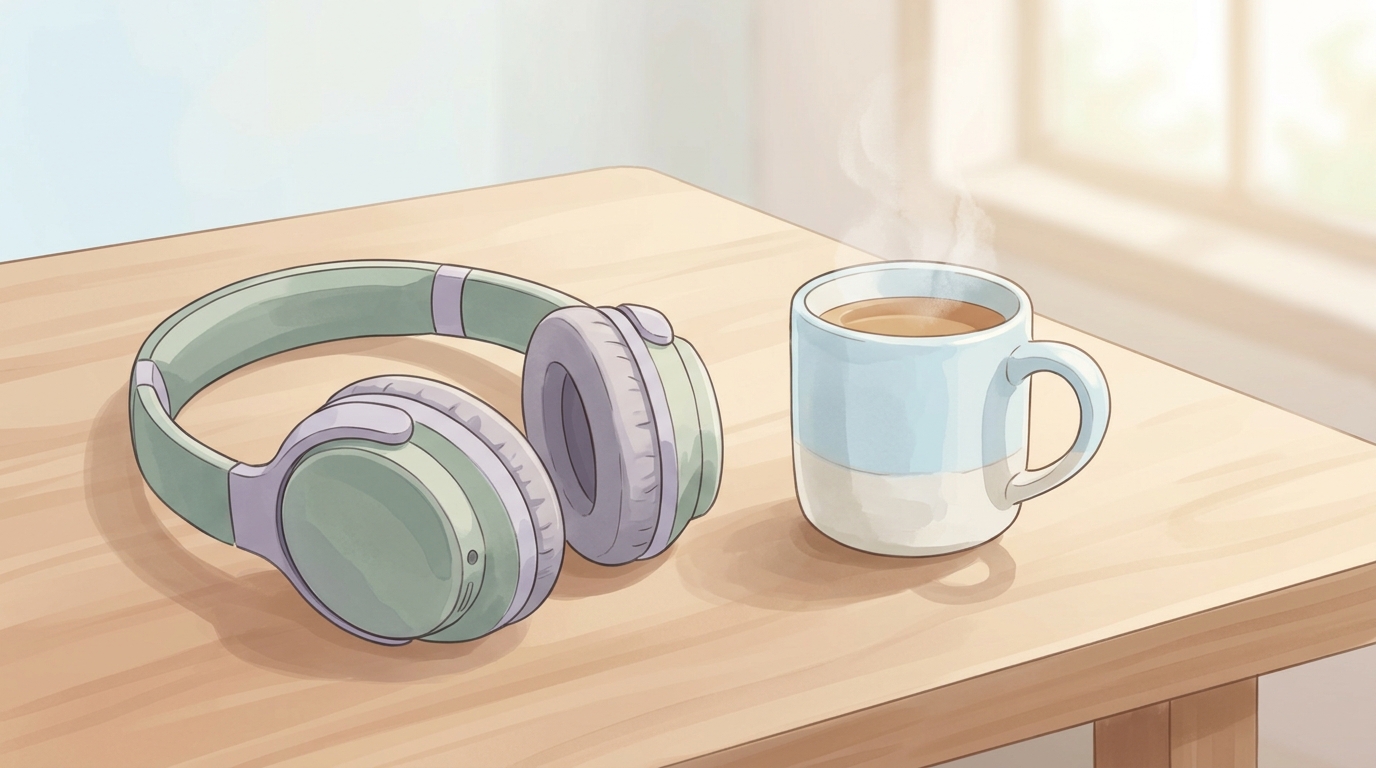
When overstimulation strikes, trying harder will not help. You must downshift your nervous system instead.
First, remove or lower the strongest sensory triggers immediately. Step into a dark room or wear noise-canceling headphones.
Next, use gentle sensory grounding. Name five neutral items you can see around you. Touch four different textures to anchor your focus softly.
Build a sensory diet into your day. Take five-minute low-stimulus breaks every ninety minutes.
Warm LED lights and quiet spaces protect your energy before you feel depleted.
Moving Forward with Compassion
Sensory overload is a sign of a high-load environment, not a personal failure.
When your brain goes offline, honor what your nervous system is telling you.
Drop your current demands to zero without feeling guilty. Give yourself time to recover in a dim, calm space.
If overload happens daily, consider talking to a healthcare professional or an occupational therapist.
Designing a low-friction environment helps you protect your energy and stay comfortably focused.
Build a productivity system around your real capacity
If these strategies resonated with you, our comprehensive guide will give you a full toolkit to start, focus, reset, and recover on low-capacity days.