The Bad Brain Day Triage: How to Safely Cut Your To-Do List in Half
Published on September 10, 2026
Minimum Viable Action (MVA)
When executive capacity drops, protect your momentum by halving your list and focusing on single, low-friction steps.
Why Some Days Feel Completely Stuck
Some days, your brain feels slow, foggy, or overwhelmed. Tasks that seemed simple yesterday suddenly feel impossible to start.
This is not a failure of will. It is a temporary biological mismatch between your environment and your brain.
On low-capacity days, your working memory operates with fewer resources. Stress, poor sleep, or sensory overload drain your mental battery.
Pushing harder against a drained system creates friction and fatigue. Instead, you need a safe system to protect your energy.
Step 1: Apply the 50 Percent Rule

When energy is low, long task lists trigger instant overwhelm. The first step is radical reduction.
Cut your daily to-do list in half right away. Separate essential outcomes from non-urgent tasks.
Watch out for the busywork trap. It is tempting to do ten minor tasks to feel productive.
However, tiny tasks burn precious energy without moving main goals forward. Keep your single most critical item and defer the rest.
Step 2: Use Minimum Viable Actions

Large projects demand heavy brain coordination. On tough days, complex demands cause working memory to freeze.
Shrink your remaining tasks into Minimum Viable Actions. Ask yourself: what is the absolute smallest first step?
Instead of writing a full report, open a blank document and type one title.
Focus on one single action at a time. Close extra browser tabs and chat apps to lower cognitive friction.
Step 3: Offload Memory and Take True Rest
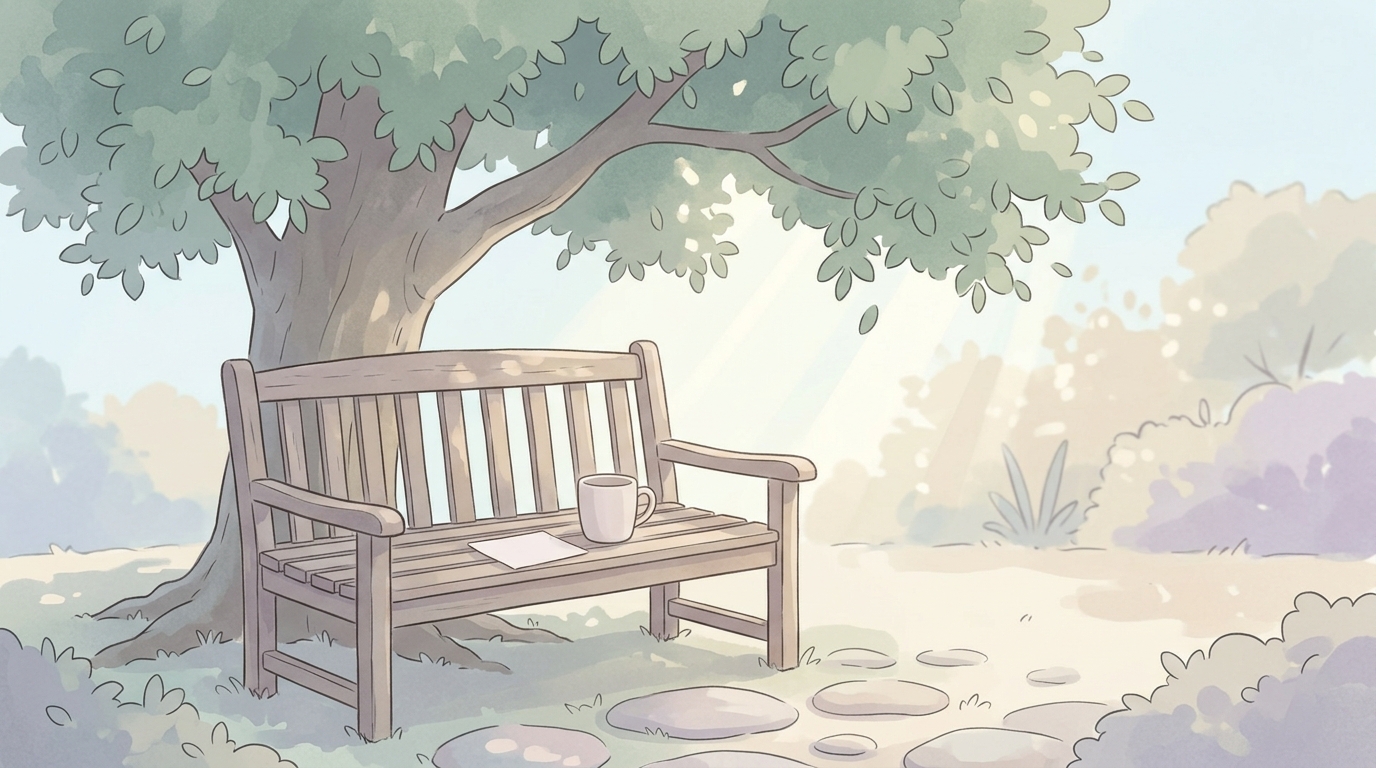
Never try to hold your to-do list in your head on low-energy days. Working memory needs total relief.
Write your immediate next step on a physical paper pad or sticky note. Let the paper hold the thought for you.
When you take a break, protect your sensory system. Avoid checking news feeds or scrolling social media.
Step away from screens completely. A low-stimulus break allows your mind to rest and regain balance.
Honor Your Energy with Compassionate Systems
Low-capacity days are a normal part of living with ADHD. Your brain's capacity naturally goes up and down.
Adapting your workload is not giving up. It is smart energy management.
By cutting your list and taking small steps, you protect your long-term mental health.
Trust your systems, treat yourself with kindness, and move forward at your own pace.
Build a productivity system around your real capacity
If these strategies resonated with you, our comprehensive guide will give you a full toolkit to start, focus, reset, and recover on low-capacity days.