The Everyday Sensory Audit: How to Reduce Workspace Overload
Published on August 04, 2026
Minimum Viable Action (MVA)
Reduce focus struggles by making tiny, low-friction changes to your sensory environment.
Why Focus Can Feel So Exhausting
Do you feel completely drained by mid-afternoon? It is easy to blame a lack of effort. But focus struggles are rarely a personal flaw.
Your brain constantly processes every detail in your space. Bright lights, electronic hums, and desk mess pile up. This ongoing input creates background friction.
When your environment demands too much attention, your energy drops. You run out of bandwidth for key tasks. Improving your space helps protect your daily focus.
How Sensory Overload Depletes Energy
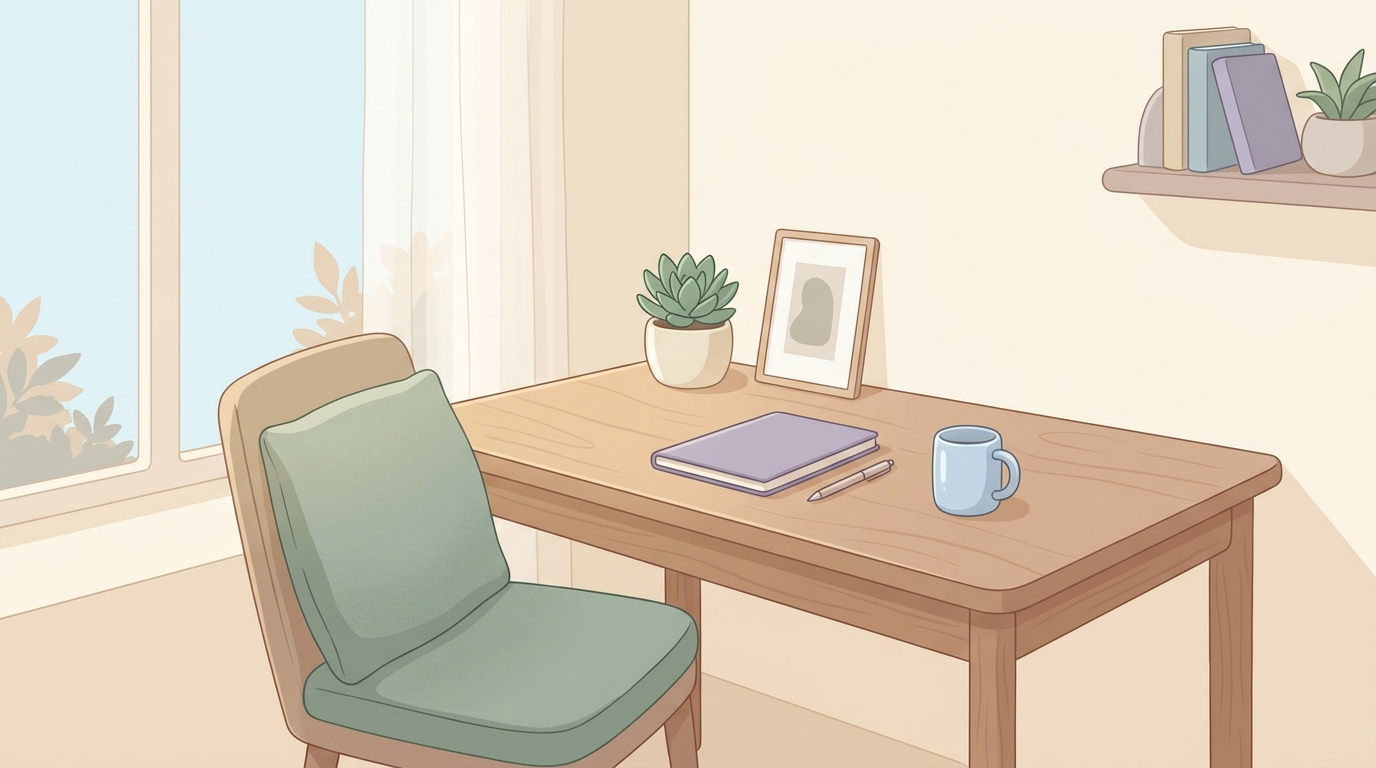
Your nervous system receives details through eight distinct sensory channels. Beyond sight and sound, your body processes internal balance, touch, and physical awareness.
Some brains filter background noise automatically. Other nervous systems take in raw input without filtering. This creates a high cognitive workload.
When ambient stimuli cross a threshold, your brain enters task paralysis. This is a natural protective reaction to sensory saturation. Adjusting your surroundings lowers this daily strain.
Auditing Your Workspace Environment
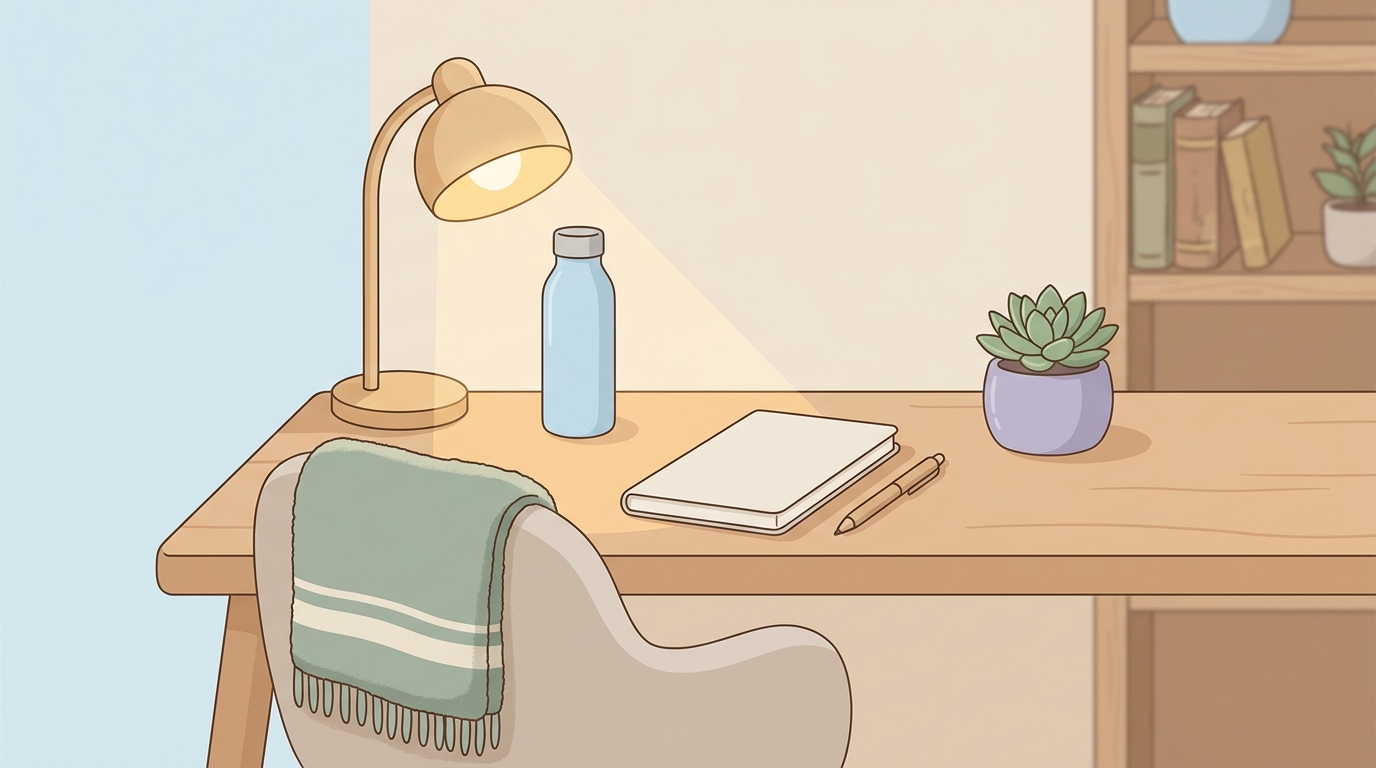
You can identify triggers using simple, low-friction steps. We call these Minimum Viable Actions.
- Sight: Turn off harsh overhead lights. Use a warm desk lamp instead.
- Sound: Unplug idle chargers that hum quietly. Wear soft earplugs or cozy headphones.
- Touch: Add a smooth throw blanket over a rough chair. Wear soft, non-restrictive clothing.
- Proprioception: Use a firm footrest to stay grounded while sitting.
Small setup changes reduce daily fatigue right away.
Shame-Free Steps for Overload Recovery
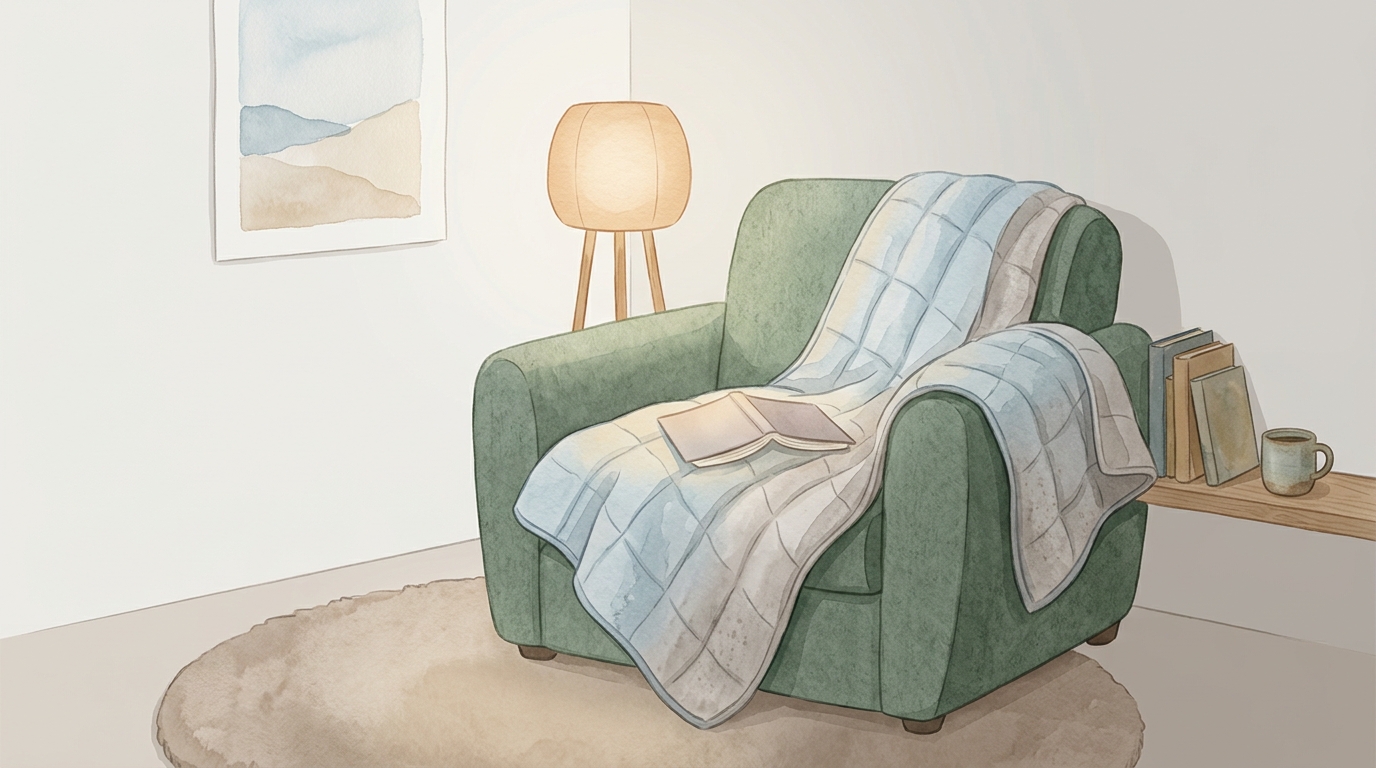
When sensory friction peaks, forcing output creates extra stress. Respecting your physical limits helps prevent deeper burnout.
Step into a dark, quiet room for a brief reset. Minimize speech, complex choices, and screen time during this pause.
Apply deep pressure with a heavy lap pad or blanket. Gentle proprioceptive input helps calm your nervous system without pressure.
Supporting Your Brain Every Day
Work becomes easier when your environment supports your needs. You do not need stronger willpower to succeed.
Pick one small change to try today. Adjust a light, move a visual distraction, or change your seating position.
Designing a low-stimulus space is a practical way to care for your energy every day.
Build a productivity system around your real capacity
If these strategies resonated with you, our comprehensive guide will give you a full toolkit to start, focus, reset, and recover on low-capacity days.