When Your Body Reacts First: Understanding ADHD Sensory Overload
Published on August 19, 2026
Minimum Viable Action (MVA)
Physical signs of overload mean your nervous system needs lower sensory input, not more willpower.
Why ADHD Sensory Overload Begins in Your Body
Sensory overload is not just a feeling of being busy. It is a direct physical reaction in your body.
Your brain processes millions of sensory details every second. When too much comes in at once, your body reacts first.
You might feel your chest tighten before you notice the room is too loud. This is a natural safety response, not a personal flaw.
The Science Behind the Physical Cascade
The ADHD brain filters background noise and bright lights differently. Imagine having too many open tabs on a computer screen.
When input fills your mental space, your nervous system senses danger. It switches into a fight, flight, or freeze response.
Your body diverts blood flow to protect core organs. This can leave your hands cold, your skin pale, or your face flushed.
Your heart rate speeds up and your breathing becomes shallow. These physical symptoms mean your environment is overwhelming your system.
How Overload Feels in Daily Life
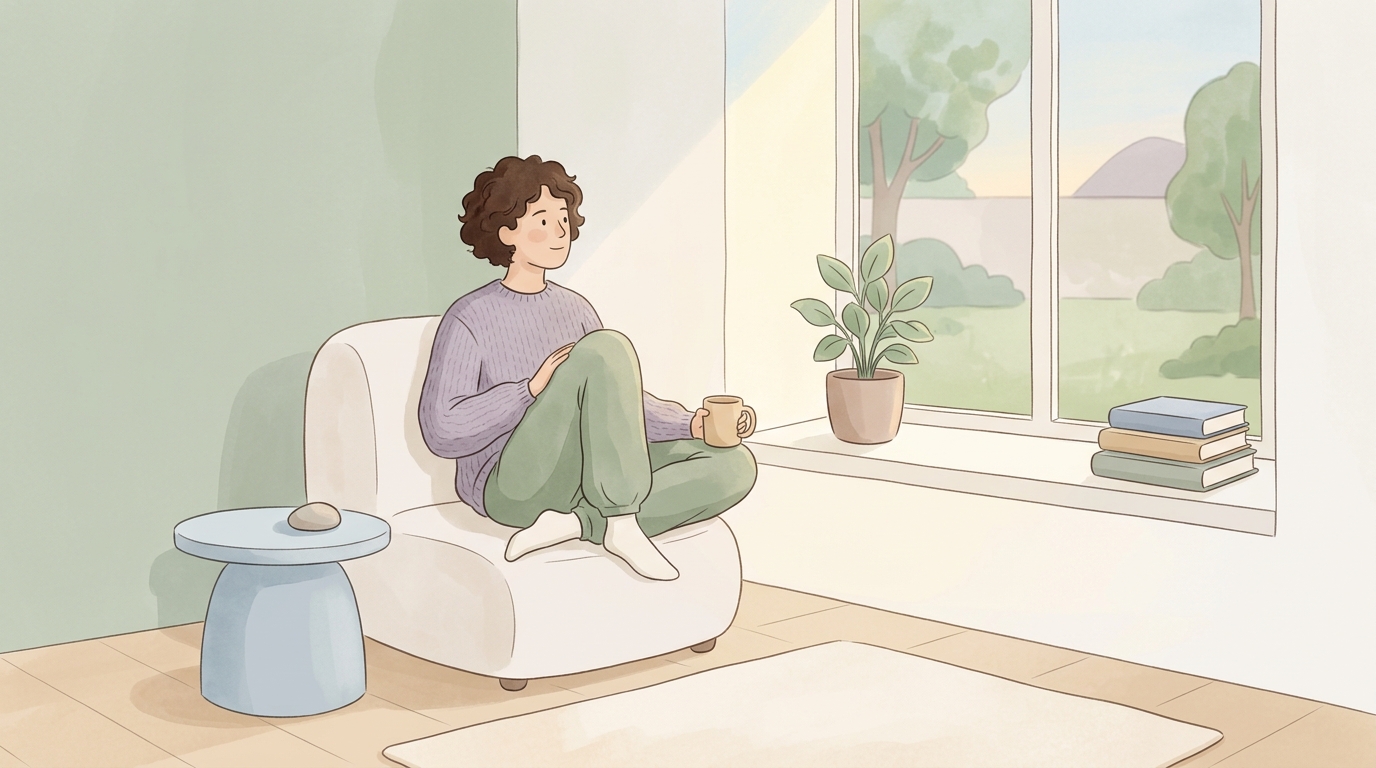
Overload often shows up during common daily activities. An open office, a crowded grocery store, or a noisy home can trigger it.
You might suddenly feel dizzy or deeply confused while shopping. You may feel an urgent need to leave immediately.
At home, overlapping sounds and tight clothing can cause sudden restlessness. These moments are not caused by a lack of effort.
They happen when environmental demands exceed what your nervous system can filter at that moment.
Simple Ways to Support Your Nervous System

When your body feels overloaded, high-effort thinking becomes difficult. Focus instead on small physical adjustments to calm your body.
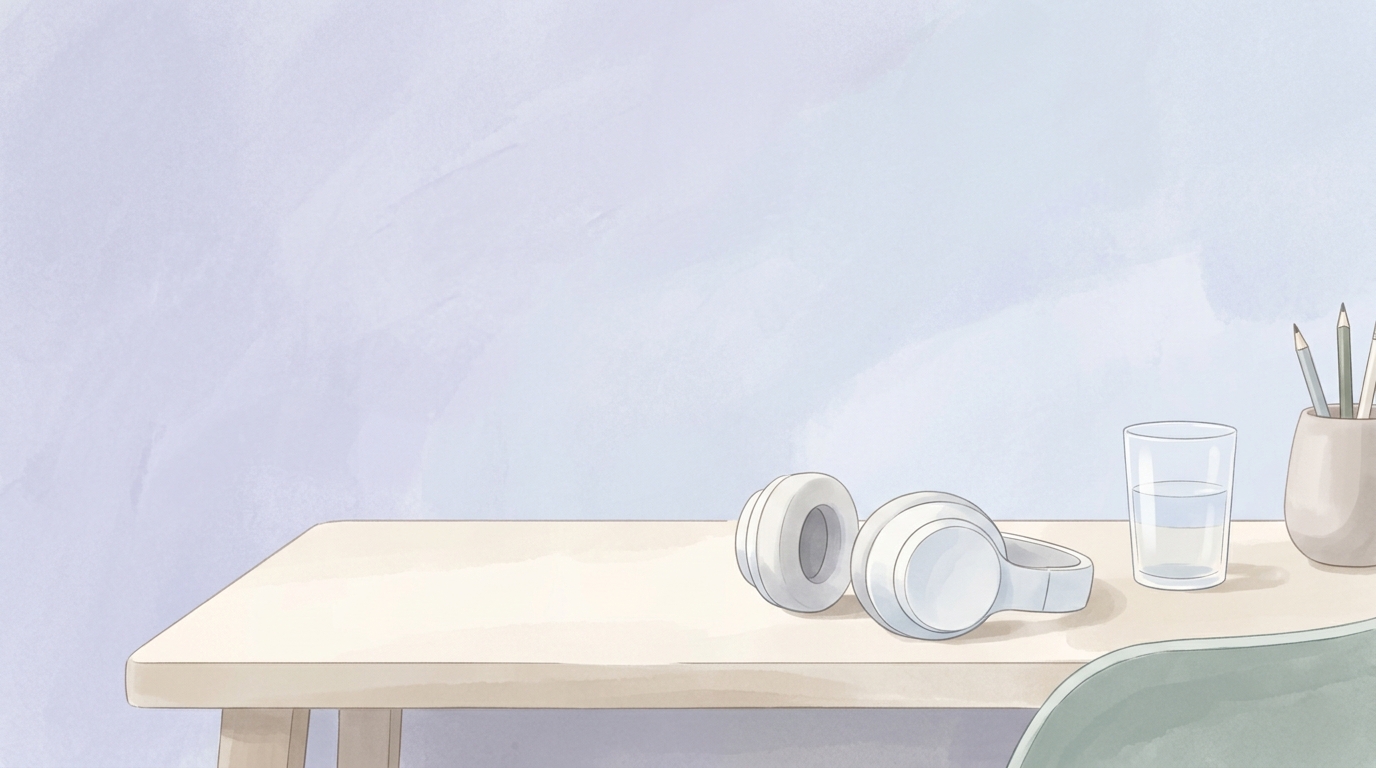
- Drop stimuli by 10%: Put on headphones, dim bright lights, or wear looser clothing.
- Try 3-3-3 breathing: Inhale for three seconds, hold for three, and exhale for three.
- Use gentle pressure: Place a hand over your heart to signal safety to your body.
Give yourself permission to pause. Recovery takes time, so move into a low-demand task while your system resets.
Honoring Your Body's Warning Signals
Physical overload signs are helpful messages from your body. They tell you when your environment needs adjusting.
You do not need to push through physical discomfort. Listening to your body allows you to make calm, supportive choices.
By reducing sensory input step by step, you can support your nervous system with compassion.
Build a productivity system around your real capacity
If these strategies resonated with you, our comprehensive guide will give you a full toolkit to start, focus, reset, and recover on low-capacity days.