Why Background Noise and Group Chats Overwhelm Your Brain
Published on September 09, 2026
Minimum Viable Action (MVA)
Background noise overload is an environmental filtering mismatch, which you can reduce using low-stimulus spaces and simple memory supports.
Why Background Noise Feels So Exhausting
Have you ever tried talking in a crowded cafe?
It can feel like your brain tries to listen to every table at once.
This experience is very common for ADHD brains.
Scientists call the ability to tune out background noise the Cocktail Party Effect.
Most brains filter out ambient sound automatically.
For ADHD brains, this automatic filter often works differently.
You are not weak or easily distracted.
Your brain is simply processing more input than the room requires.
Friction happens when your environment does not match your brain's natural filtering system.
How Your Brain Processes Ambient Sound and Pings
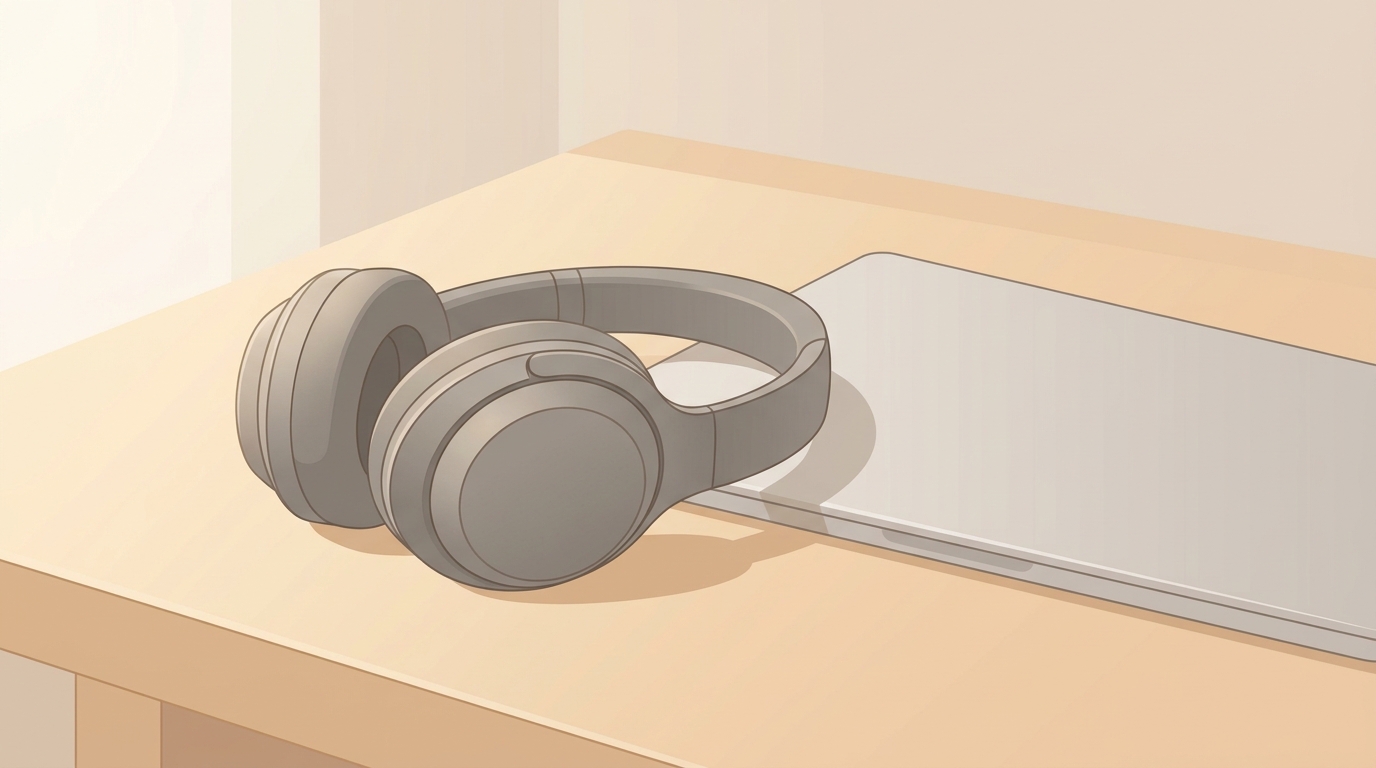
In a noisy room, your auditory system works extra hard.
Research shows that neurotypical brains use a natural neural brake to quiet background noise.
In ADHD brains, this automatic suppression signal is often much weaker.
Target voices and background clutter enter your mind at a similar volume.
When you work hard on a task, your working memory fills up quickly.
As working memory fills, your brain loses its ability to block noise.
Digital tools create the same heavy load.
Active group chats and chat pings act like a digital crowd shouting for attention.
Every badge and popup forces your attention to switch focus instantly.
Why Loud Spaces and Chat Apps Drain Energy

Filtering out noise manually requires heavy effort from your executive control network.
Your brain must consciously select which sounds to track and which to ignore.
After 45 minutes in a noisy office, you might feel sudden brain fog.
You might feel irritable or want to escape the room immediately.
This fatigue is not a personal failure.
It is the natural result of high sensory expenditure.
Digital environments like Slack or WhatsApp create a constant stream of low-grade urgency.
Your brain tries to track main tasks while evaluating incoming chat alerts.
This constant double-duty leads to quick mental exhaustion.
Practical Ways to Protect Your Cognitive Energy
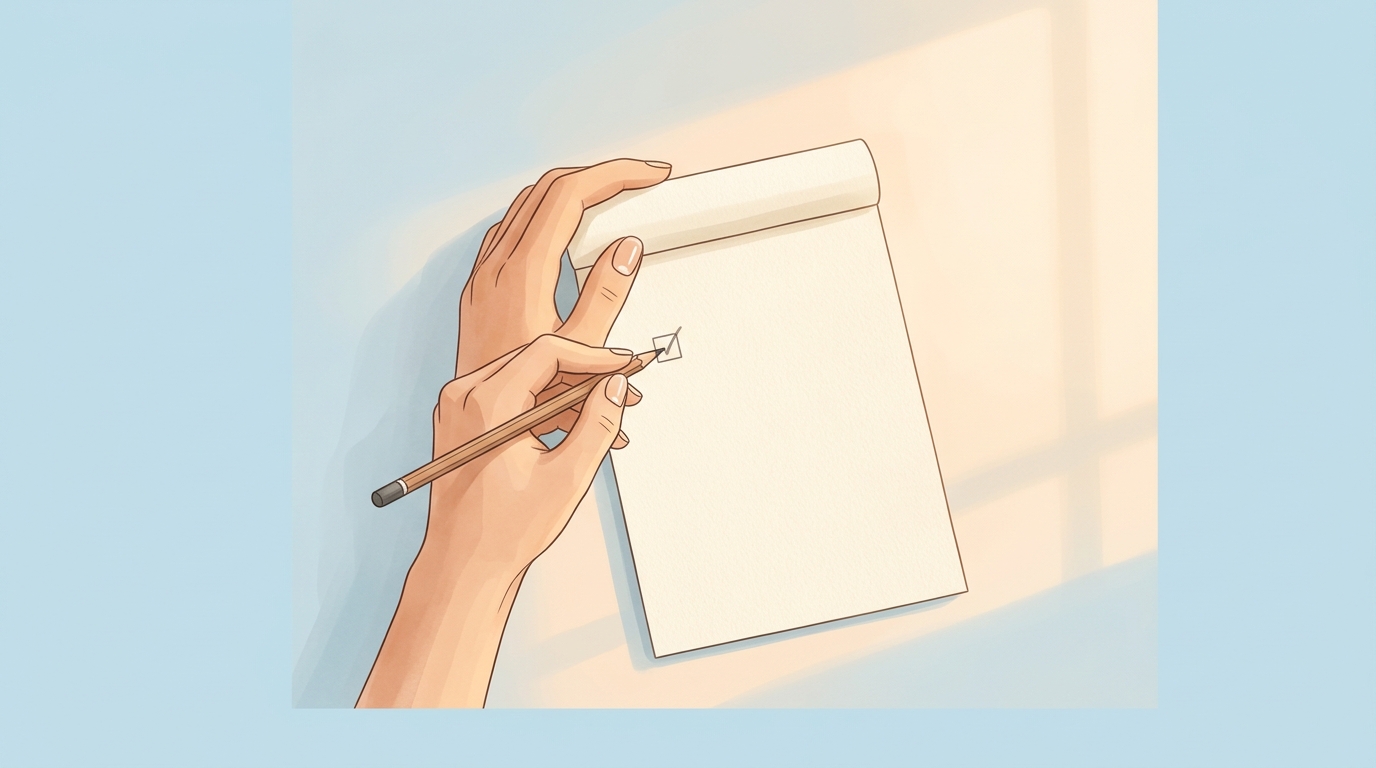
You can lower sensory friction by modifying your environment and routines.
- Use active noise reduction: Pair noise-canceling headphones with low-fidelity sound or brown noise.
- Position your body strategically: Sit with your back to a wall to reduce spatial sound tracking.
- Write down visual anchors: List your step-by-step goals on paper to free up working memory.
- Batch digital notifications: Turn off live chat badges and check messages at set times.
Try a 90-second modular reset when noise becomes too intense.
Step into a quiet room or close your eyes with noise-canceling headphones on.
Take slow, gentle breaths with long exhales to calm your nervous system.
Re-enter your task with a 1-minute minimum action without any self-blame.
Working With Your Natural Processing Needs
Sensory overload is not a sign that you lack focus strength.
It simply means your environment demands more noise filtering than your brain provides automatically.
When you support your working memory, you save mental energy.
Small changes to your workspace and digital habits can create steady calm.
Give yourself permission to pause and adjust your surroundings whenever you need to.
Build a productivity system around your real capacity
If these strategies resonated with you, our comprehensive guide will give you a full toolkit to start, focus, reset, and recover on low-capacity days.