Why Scratchy Tags Drain Your Focus (And How to Fix It)
Published on September 15, 2026
Minimum Viable Action (MVA)
Tactile overload is a real system mismatch, so adjusting your clothing design restores your daily focus.
Why Clothing Tags Feel Like a Constant Interruption
Have you ever felt deeply annoyed by a tiny clothing tag? Do scratchy seams make it hard to focus at work?
You are not being overly dramatic. Your nervous system is simply experiencing tactile overwhelm.
In adult ADHD, background textures do not fade away quietly. Your brain processes physical touch differently than others do.
This constant discomfort consumes your mental battery throughout the day. It is not a flaw in your willpower. It is a mismatch between your environment and your sensory filter.
The Brain Science Behind Tactile Overload
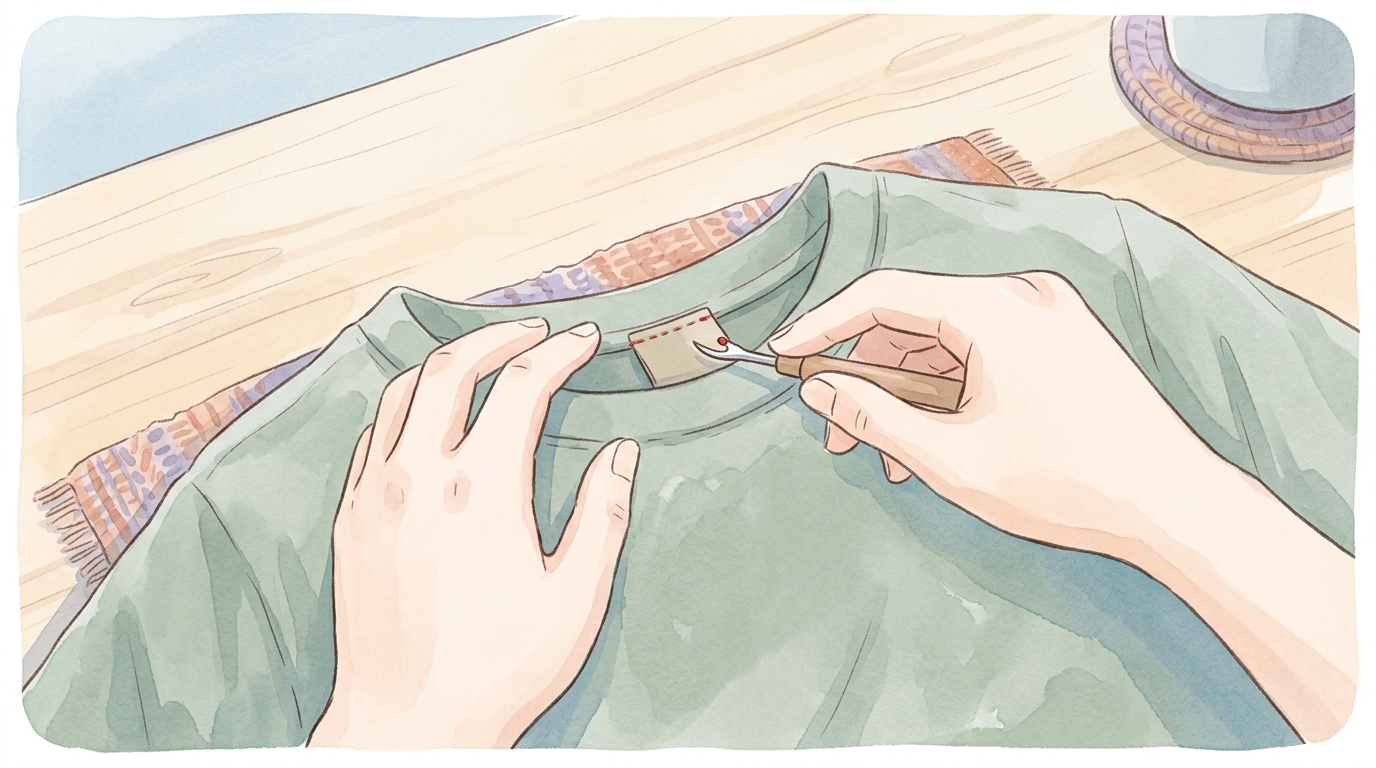
Tactile overload starts deep within the central nervous system. Your skin receptors operate completely normally.
Instead, your brain struggles to gate incoming touch signals. Sensory gating helps people ignore constant, safe sensations.
For many adults with ADHD, this automatic filter stays open. A stiff collar keeps sending loud signals to your brain.
Lower levels of inhibitory chemicals make filtering even harder. Your prefrontal cortex must spend energy ignoring the irritation. This extra work leaves less room for deep focus.
How Micro-Friction Leads to Daily Burnout
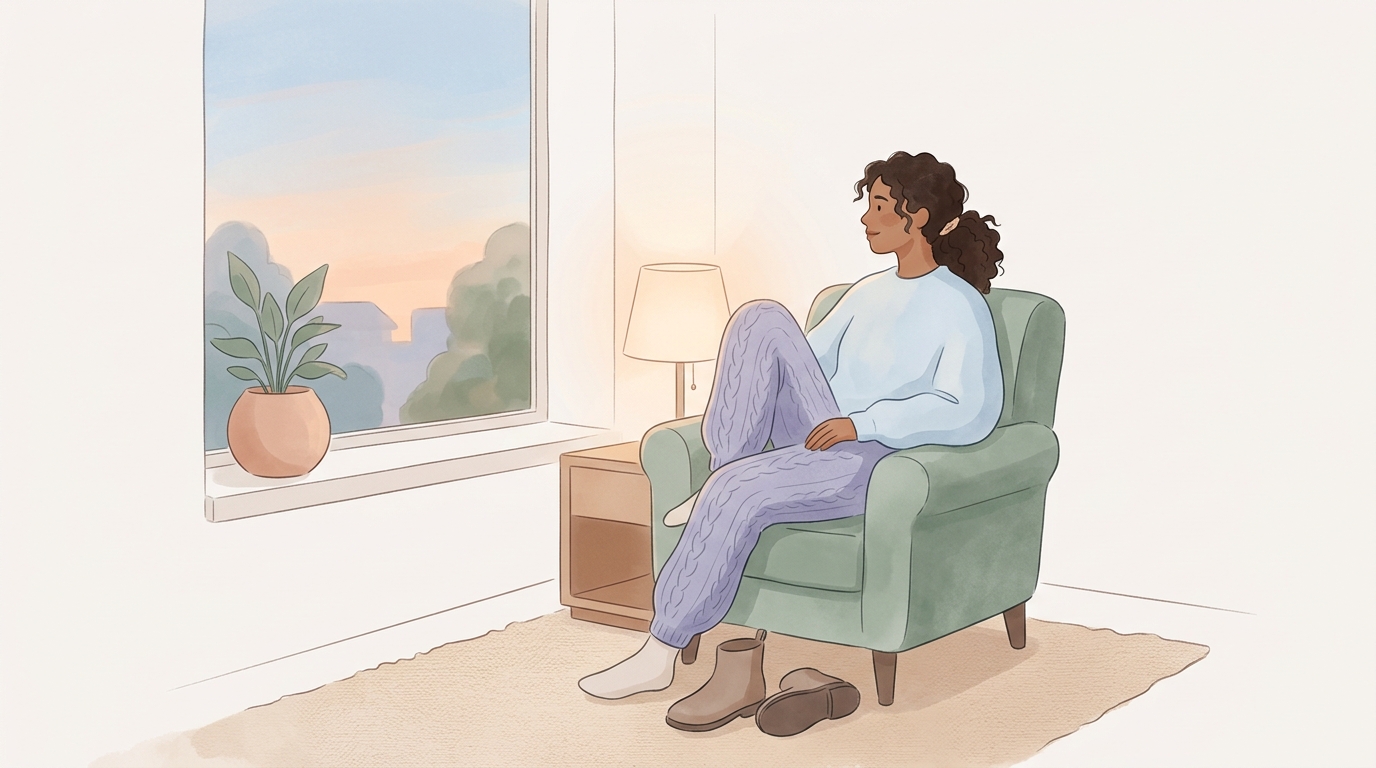
Small physical discomforts accumulate like tiny papercuts on your focus. Wearing tight waistbands or rough fabrics drains your energy slowly.
By mid-afternoon, your brain reaches maximum sensory capacity. This hidden strain can trigger sudden irritability or fatigue.
You might blame yourself for losing focus on tasks. Yet the real culprit is physical sensory friction.
Tight business wear often forces your body into high stress. When you return home, your nervous system finally crashes. Understanding this pattern lets you protect your cognitive bandwidth.
Practical Ways to Reduce Sensory Friction
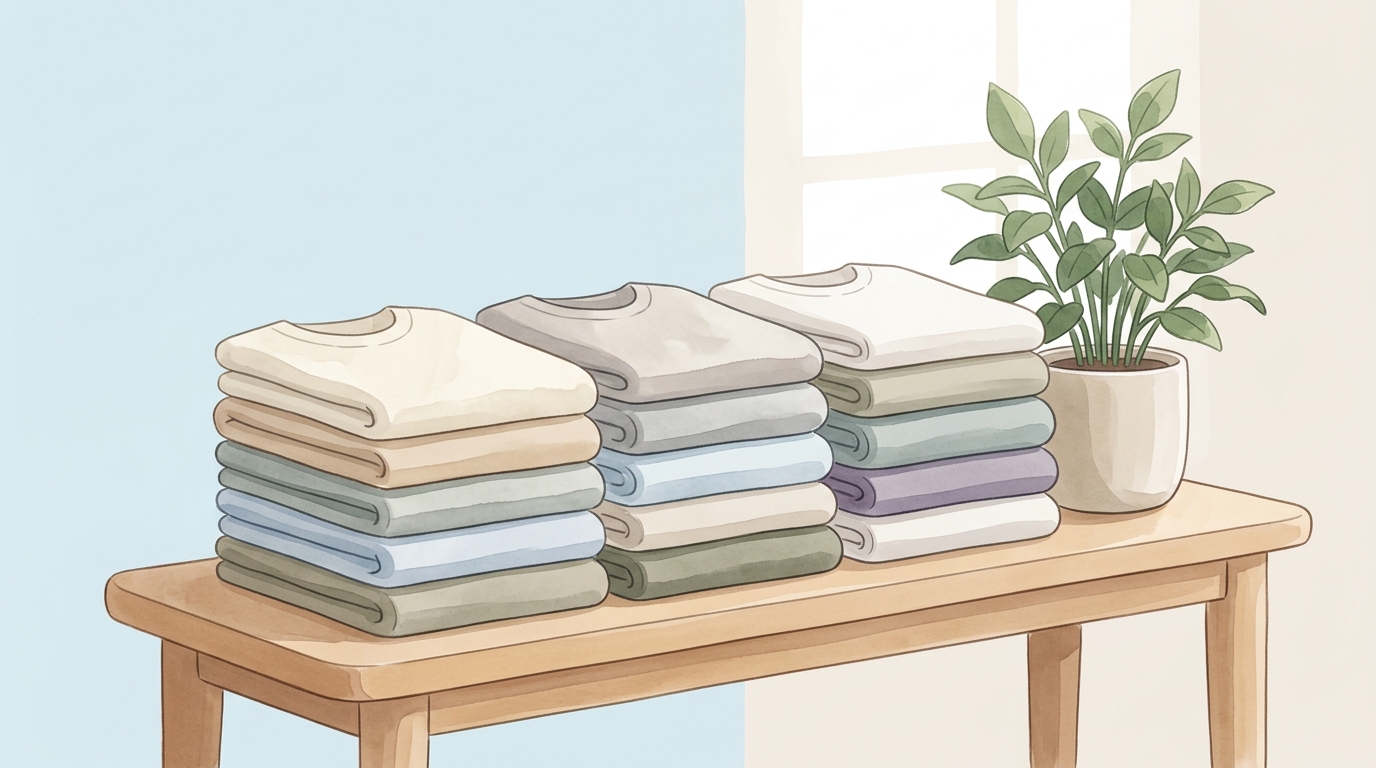
You can design your daily environment to reduce sensory noise. Start with a simple audit of your active wardrobe.
Use a seam ripper to remove rough interior tags completely. Choose soft, breathable fabrics like bamboo, modal, or organic cotton.
Build a default sensory baseline uniform for deep work days. If textures overwhelm you mid-day, try a short sensory reset.
Change into softer garments or loosen tight waistbands immediately. Apply deep pressure with a weighted lap pad to calm your nerves. Take slow, deep breaths to quiet your body stress response.
Honor Your Sensory Needs Without Shame
Tactile sensitivity is a real neurobiological response, not a personal flaw. You do not need to push through physical discomfort to be productive.
Adapting your clothing is a smart strategy for preserving mental clarity. Removing micro-irritants gives your prefrontal cortex room to breathe.
Treat your physical comfort as an essential tool for success. Small adjustments to your environment create big changes in focus.
Give yourself permission to choose comfort every single day.
Build a productivity system around your real capacity
If these strategies resonated with you, our comprehensive guide will give you a full toolkit to start, focus, reset, and recover on low-capacity days.