Why You Get Stuck Doing What You Love (and How to Fix It)
Published on August 11, 2026
Minimum Viable Action (MVA)
Hobby paralysis is an environment and system mismatch, not a character flaw. Lower your friction to move gently.
Why Is It So Hard to Do Fun Things?
You sit on the couch. You desperately want to start your favorite hobby. Instead, you feel completely frozen.
This frustrating experience is very common. It is known as ADHD task paralysis. It does not mean you are lazy.
Your brain is experiencing a system mismatch. Your current environment creates too much hidden friction. We can fix that together.
The Science Behind the Leisure Freeze
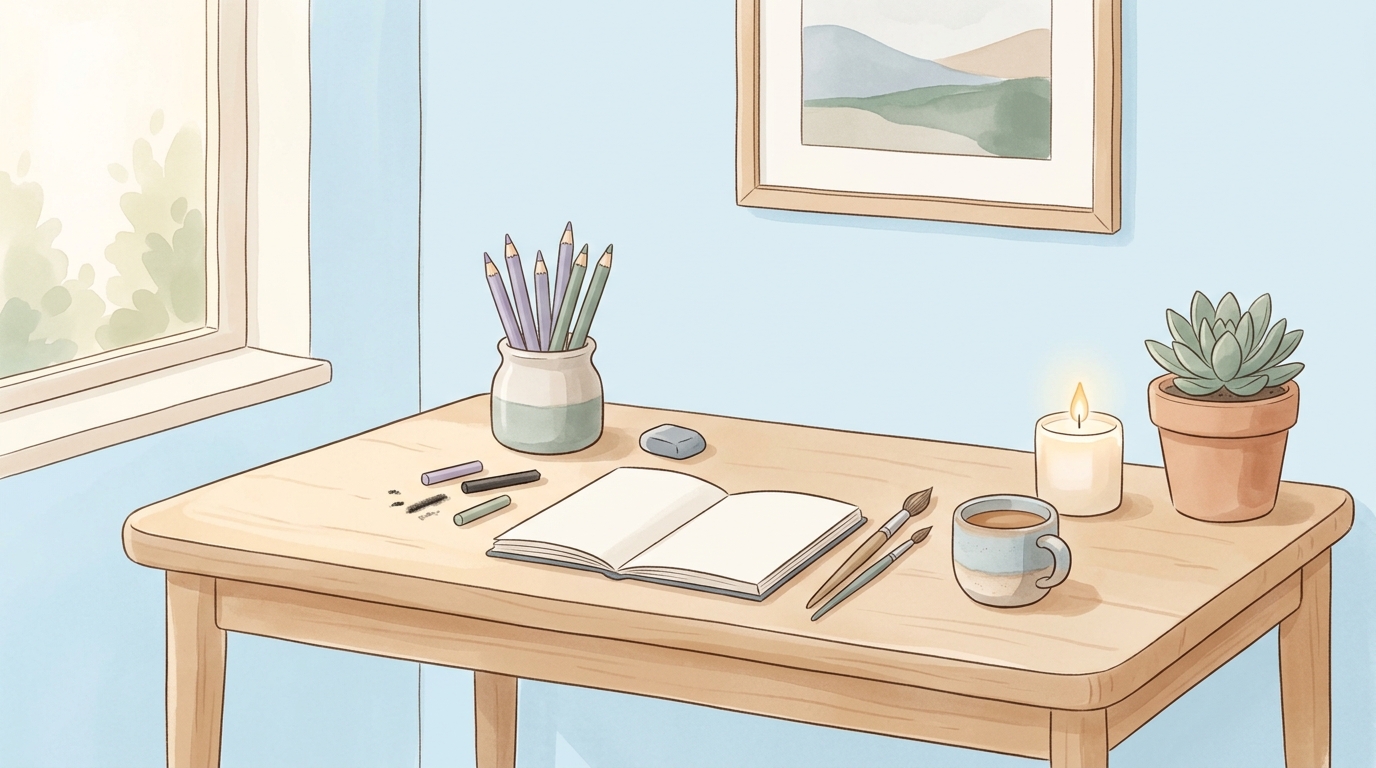
Hobbies look simple on the outside. Inside the brain, they require many executive function steps. You must plan, decide, and organize.
When a hobby is new, dopamine flows easily. Starting feels completely effortless. Over time, that quick novelty wears off.
Without strong neurological drive, starting takes conscious effort. Your brain hits a wall. Decision fatigue makes choosing an activity feel overwhelming.
Emotional pressure can also trigger a freeze response. Guilt about past unfinished projects creates real friction. Your nervous system locks up to protect you.
Recognizing Your Friction Points
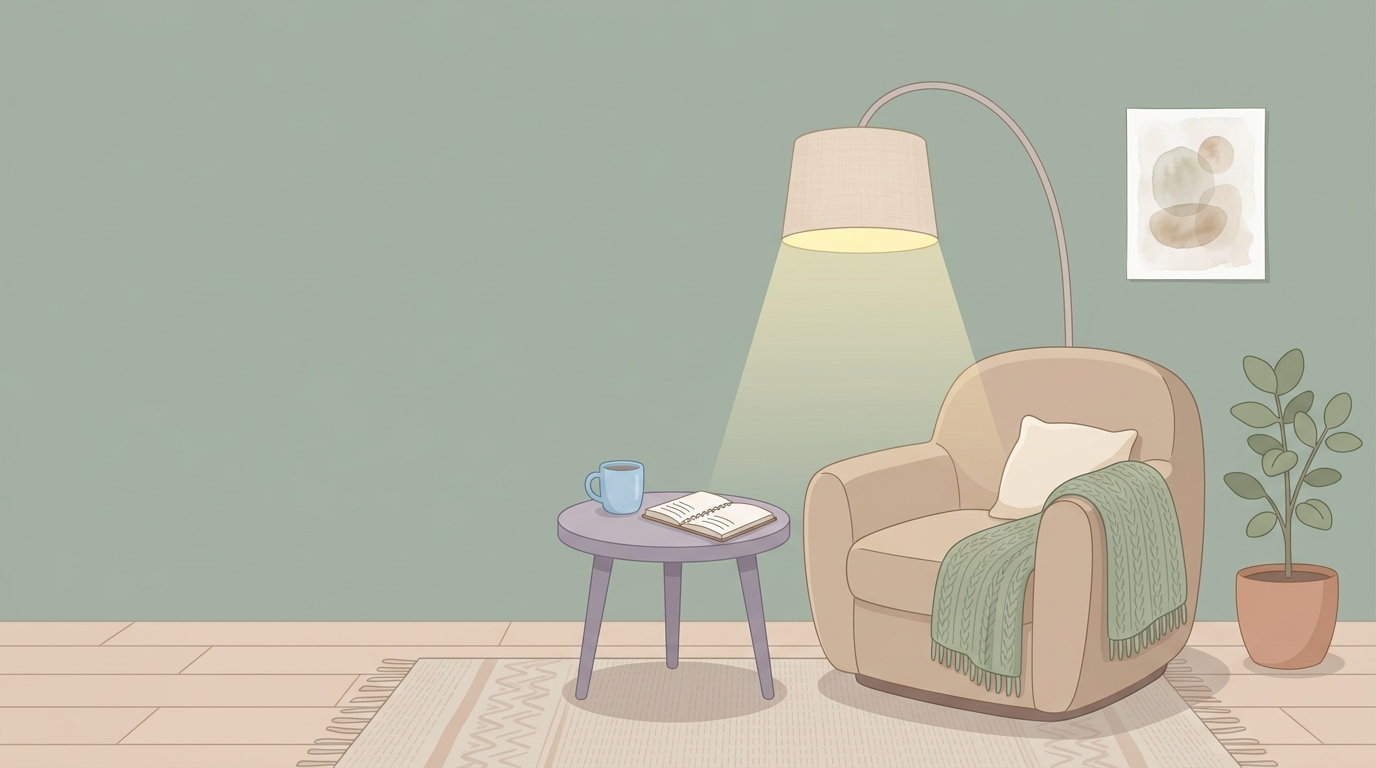
Task paralysis usually shows up in three common ways. Identifying your pattern helps you build better systems.
- The Setup Wall: Gathering supplies feels like climbing a steep mountain.
- Choice Gridlock: Staring at many options, completely unable to pick one.
- The Guilt Cycle: Seeing unfinished projects and feeling like you failed.
None of these situations are personal failures. They are signals that your setup needs less friction.
Gentle Strategies to Unstick Your Focus
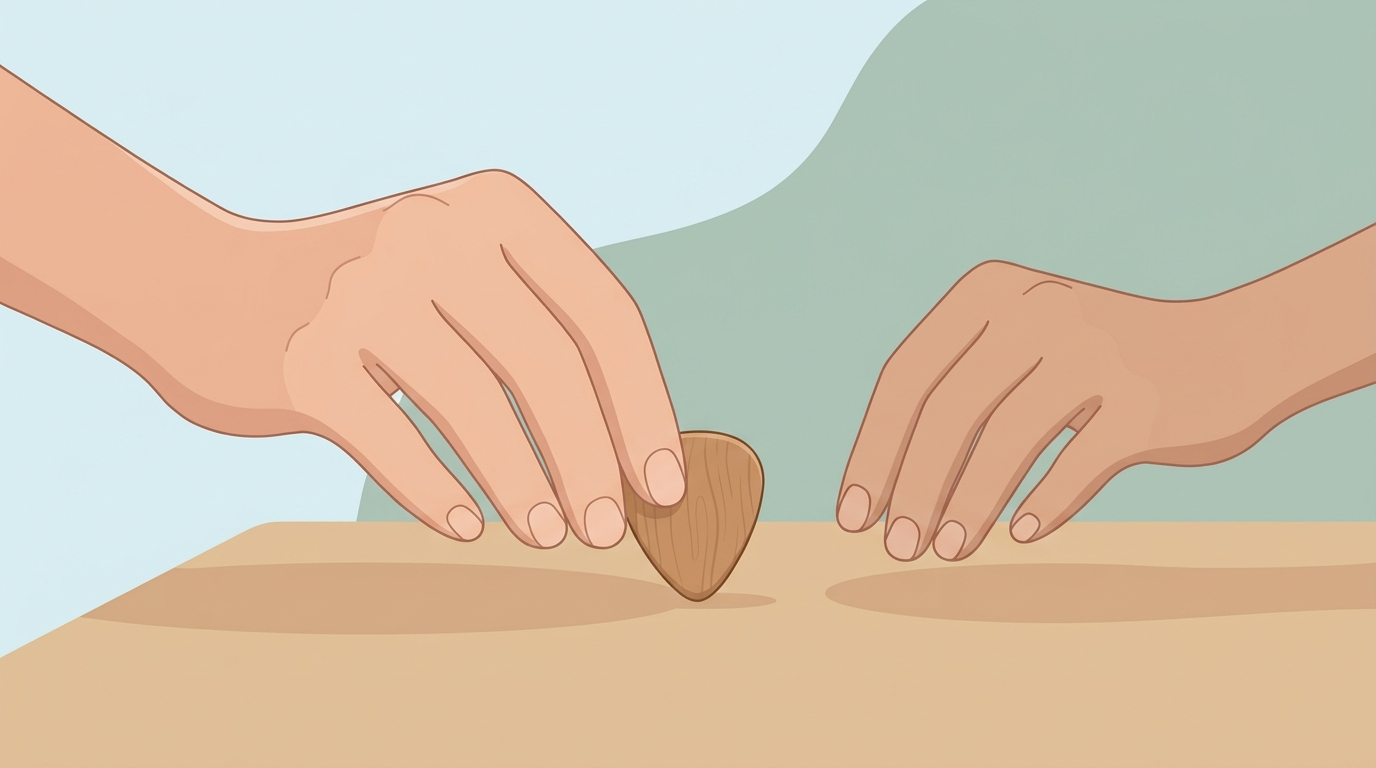
You do not need to push harder. You simply need lower activation barriers.
Try these low-pressure adjustments today:
- Make steps micro-small: Aim to read just one sentence or hold one paintbrush.
- Pre-stage your space: Leave your sketchbook open on your desk ahead of time.
- Set a short timer: Commit to playing for only ten minutes. Give yourself permission to stop early.
- Drop the finish line: Unfinished projects still give you value and joy.
Moving Forward with Self-Compassion
Resting should feel restorative. Your hobbies belong to you, not a performance review.
When you feel stuck, step back gently. Drink water or stand up for two minutes. Change your physical environment first.
Small adjustments lead to big relief. Treat your brain with kindness every day.
Build a productivity system around your real capacity
If these strategies resonated with you, our comprehensive guide will give you a full toolkit to start, focus, reset, and recover on low-capacity days.