Why Your Body Refuses to Move: Breaking ADHD Task Paralysis
Published on September 06, 2026
Minimum Viable Action (MVA)
Pair gentle body movements with simple visual flowcharts to safely break task paralysis without relying on willpower.
Understanding the Physical Freeze
Have you ever felt completely stuck? Your mind knows what you need to do. Yet your body refuses to move.
You are not lazy. You are not failing.
This experience is called task paralysis. It happens when high cognitive strain overloads your brain. Your nervous system perceives the workload as a threat. In response, it sends a freeze signal to your body.
This is a system mismatch, not a willpower issue. By changing your environment and approach, you can gently unstick yourself.
Why Your Nervous System Locks Up
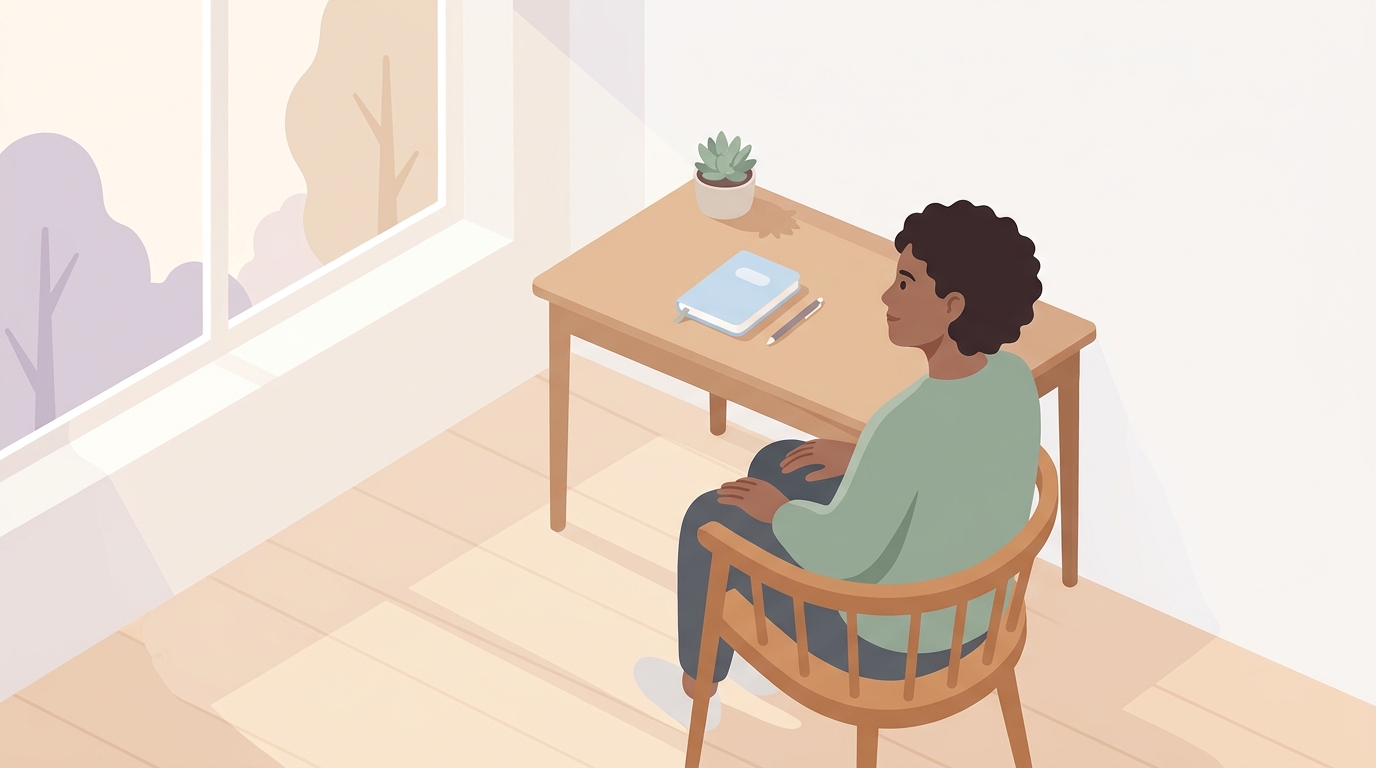
When tasks feel big or vague, your brain gets overwhelmed. Traditional to-do lists can make this feeling worse.
A long list presents many rigid stop-and-start points. Each line feels like a new wall to climb.
Your stress hormones rise when options feel confusing. This physical stress locks your muscles and stops initiation. You might find yourself staring at a screen for hours. Or sitting on the couch, unable to stand up.
Recognizing this physical response is the first step. Your body is asking for quiet regulation, not harsher pressure.
Releasing Stress with Gentle Movement
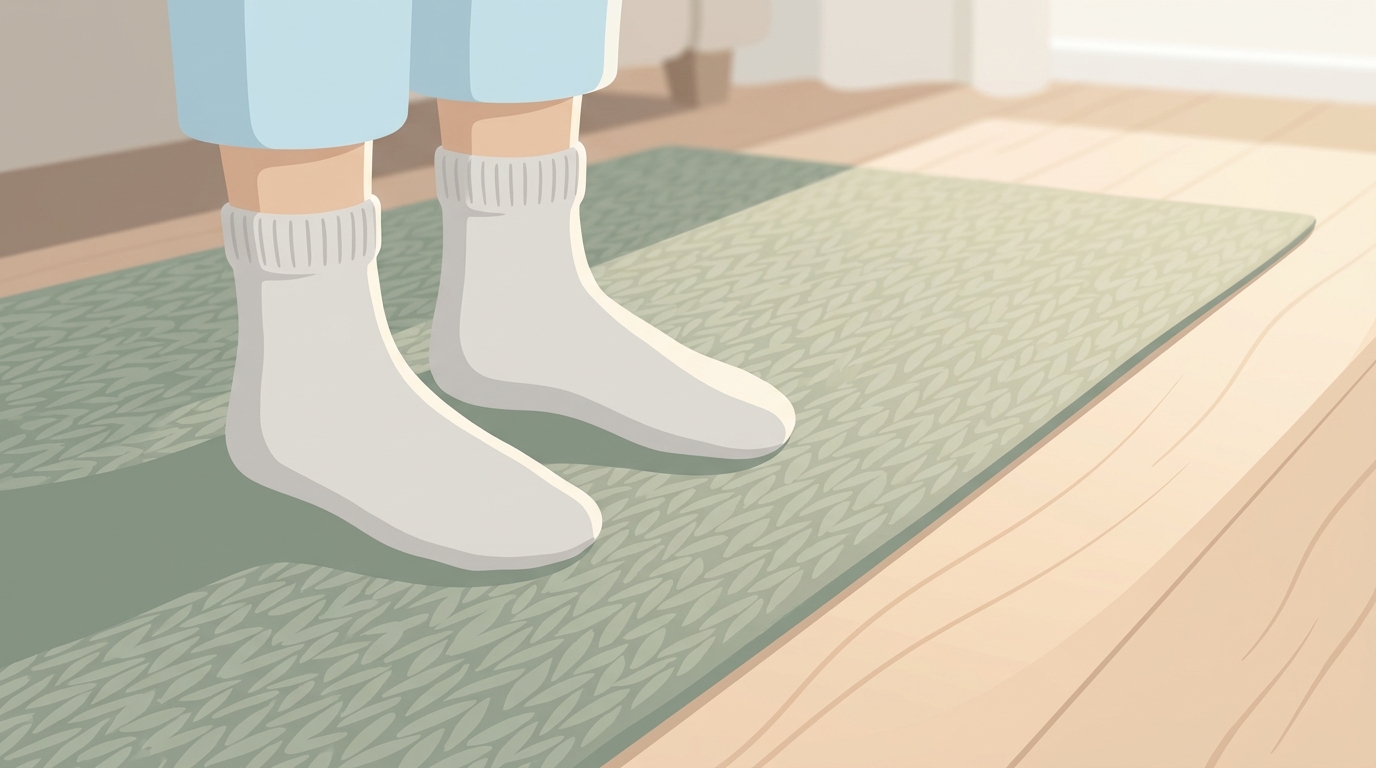
You cannot force an overwhelmed brain to focus. First, you must signal safety to your body.
Mind-body movements help restore attention by lowering stress hormones. Gentle physical shifts signal to your brain that you are safe.
Try simple movements like stretching your calves or pressing your hands against a wall. Take slow, controlled breaths for three minutes.
Notice your body without judging yourself. These gentle movements signal your muscles to release tension. This resets your nervous system and prepares your brain for simple action.
Unlocking Action with Dynamic Flow
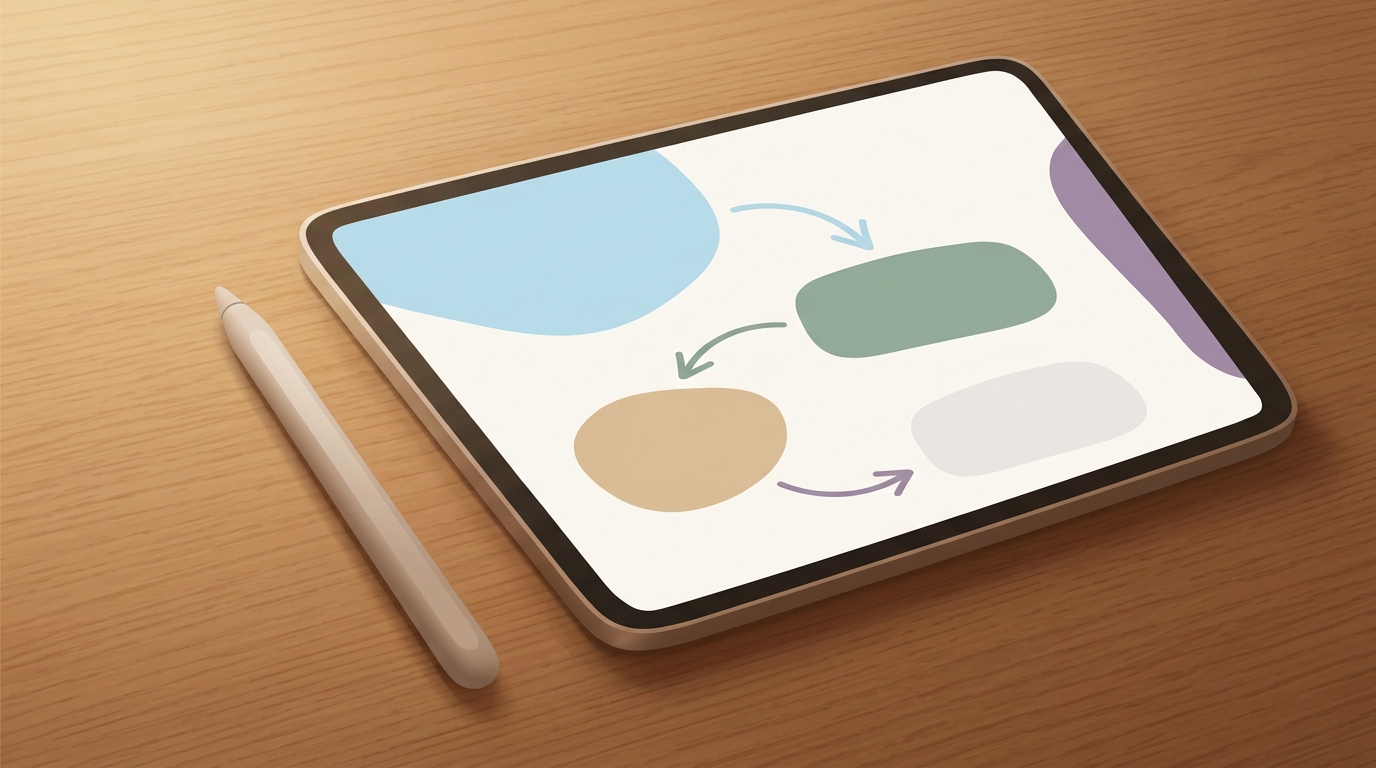
Once your body feels calm, address the task itself. Replace rigid lists with loose, visual flowcharts.
Draw connected shapes or arrows on paper or a digital canvas. Connect your thoughts visually instead of making strict steps.
Forget about neat handwriting or correct spelling. The goal is simply to map ideas in your own words.
Next, pick a Minimum Viable Action. This is an ultra-small step that takes minimal effort. You might open a blank file and type three words. Starting small removes pressure and builds gentle momentum.
Working with Your Brain, Not Against It
ADHD task paralysis is a bodily state, not a personal flaw. It happens when demands exceed your available energy.
You do not need to force your way through a freeze. Pushing harder often deepens the shutdown.
Instead, soothe your nervous system with gentle movement. Then break your work into loose, visual steps.
When your tools match your brain, starting becomes far easier. Honor your physical needs and take one small step at a time.
Build a productivity system around your real capacity
If these strategies resonated with you, our comprehensive guide will give you a full toolkit to start, focus, reset, and recover on low-capacity days.